
Training for My First Ultramarathon: My Road to 50K
Training for my first ultramarathon has taught me plenty. Follow my journey to my first 50K, from long runs and fuelling to strength and recovery.

Last Updated on 11 September 2026
On 3 October 2026, I’ll hopefully cross the finish line of my first ultramarathon.
I’ve run marathons before, but this will be the first time I’ve attempted to go beyond the marathon distance. I’ll be taking on Run to the Sea Bournemouth, a 50K race that will see me cover around 31 miles before, all going well, reaching the finish line.
When I first started training for my first ultramarathon, I knew it was going to involve plenty of running. What I perhaps hadn’t appreciated was just how much more there is to ultramarathon training than simply adding more miles to my week.
Long-distance running is as much about patience, consistency, fuelling, and recovery as it is about how far you can run. I’ve had to think more about long runs, time on my feet, strength work, what I’m eating and drinking, and how I’m going to fit all of this training around family life.
So, if you’re thinking about training for an ultramarathon, here’s what my journey towards my first 50K has looked like so far, including what I’ve learned, what has surprised me, and what I still need to figure out before race day.
Let’s read on to find out!

Why I Decided to Run My First Ultramarathon
I never thought I’d want to do an ultramarathon. Once I never wanted to go further than running 100m and 200m at school, but as I got older that feeling started changing.
At first, I would cycle 13 miles into London for work, then I thought “I wonder if I can run that?“, so I did. I managed to do it under two hours and every so often I’d leave my bike at home and run into work, and catch the tube back at the end of the day.
For a while, I thought that was enough. Until it wasn’t. And before I knew it, I was looking into marathons. Not just any marathons either, I wanted something that would challenge me. Eventually, I signed up to the Glencoe Mountain Gathering marathon in the Scottish Highlands, which has an elevation gain of nearly 5,300 feet over 26.2 miles.
Everything about that race was amazing. My training (I was training six days a week), the crowd at the event, the feed stations, everything. I loved the race so much that I went on to complete several other marathons, including the Snowdonia Trail Marathon in Wales.
And for a while that was it. I’ve done plenty of half marathons in between, but I didn’t think I’d go further than 26.2 miles. But a few years ago I started thinking “what if I can go further?“
There is something about running that has always made me want to find out what else I’m capable of. I love pushing myself and seeing what I can do when I set my mind to something, which is why I’m now at this point in my life: training for a 50K.
Why I Chose Run to the Sea Bournemouth
One of the biggest factors to picking the Run to the Sea Bournemouth event is because it’s marketed as “a flat, beautifully scenic course” that’s the “perfect intro to ultra-running.” That and the fact that it’s along a variety of terrain, including forest trails and coastal paths.
For me, choosing a 50K rather than immediately jumping into a much longer ultra felt like the right progression from marathon running. Running five extra miles doesn’t seem a lot, but it’s a far enough distance beyond a marathon to feel like a good challenge without pushing myself too far.
What Worried Me Most About Stepping Up to an Ultra
How will my body respond when I move beyond marathon distance? Will I get my fuelling right? How tired am I going to feel? Will all the training I’ve done be enough?
One of the biggest differences I’ve noticed is that 50K training forces you to think beyond completing your scheduled runs. The longer the distances become, the more everything else seems to matter too.
Nutrition matters. Hydration matters. Sleep matters. Strength matters. Recovery matters. I’ve had a few runs when things didn’t go as planned, (my legs got tired quickly, I didn’t pace myself right, or I didn’t get enough sleep), but these setbacks have made me make sure that the training for my first ultramarathon doesn’t go to waste and I do things better the next time.
What Training for My First Ultramarathon Looks Like

There are countless ultramarathon training plan options online, and you’ll find plenty of variations of a 50K training plan depending on your experience, race, and goals.
This isn’t one of them.
I’m not sharing my training as a prescription for what someone else should do. This is simply what training for my first ultramarathon looks like for me and some of the things I’m learning along the way.
How Many Days a Week I’m Running
I’m following Hal Higdon’s Ultramarathon training plan, which has me running between three and four runs a week, averaging around 35-45 miles a week.
It’s tempting when preparing for an ultra to think that more miles must equal better preparation. But I’m increasingly conscious that every extra run creates additional fatigue that my body then has to recover from.
Building Up My Long Runs
Unsurprisingly, long runs have become one of the most important parts of my preparation.
But I’m starting to think about them differently. While I still want to get a good time, I’m becoming aware of the time on my feet. A long run gives me the chance to practise many of the things I’ll need to manage on race day: pacing myself, drinking, eating, carrying my kit, and continuing to move when I’m tired.
My longest run so far in training has been 26.2 miles and I’ve learnt that I need to pace myself and make sure I have enough fluid on me to stay hydrated. My water bladder, which holds 1.5L of my energy drink got me through, but I’ll be bringing another water bottle to fill up at the aid stations.
Recovery and Rest
One lesson that’s obvious is that more training isn’t always better training. Rest days have a purpose.
As my runs become longer, I’m paying much more attention to how I feel afterwards and recognising that recovery is part of the process rather than something that happens when I’m not training. I like to do active recovery, so I’ll go for a walk or do a gentle ride on my exercise bike.
7 Things I’ve Learned Training for My First Ultramarathon

I’m still several weeks away from race day, so I’m sure there are plenty more lessons coming.
But these are some of the biggest things training for my first ultramarathon has taught me so far.
1. It’s Not Just About Running More Miles
Before starting my 50K training, it would have been easy to assume that preparing for an ultra meant taking marathon training and adding more miles.
Yes, running matters. But so does everything surrounding the running.
I’m thinking more about recovery, strength, nutrition, hydration, pacing, and how I feel from one session to the next.
One of the easiest ultramarathon training mistakes I can imagine making is becoming so focused on mileage that everything else gets pushed aside.
2. Time on Your Feet Matters
I’m used to paying attention to distance and pace. During this training block, however, time on my feet has taken on much more importance especially during my long runs.
When you’re going to be moving for hours, learning what it feels like to keep going matters.
Longer sessions also reveal things that don’t necessarily appear during a short run. I had a sports bra I wore for my short runs and was perfectly comfortable, but when I wore it and then had my hydration vest on top, my bra started running into my back and soon became an annoyance and slightly painful. After changing to a new sports bra, I no longer had any issues.
3. Fuelling is Part of the Training
This has probably been one of the biggest shifts for me.
Training for my first ultramarathon means getting used to eating while running and working out what gels and food I can consume several hours into a run without wanting to feel sick.
Race day isn’t the time I want to discover that my carefully planned food doesn’t agree with me.
The more long-distance running I do, the more I realise that ultramarathon nutrition isn’t something separate from training. Practising it is part of the training. And before each long run, I’ll do a carb load, usually with pasta to keep my reserves topped up for the next day.
4. Strength Training Matters
Strength training remains part of my week because I want my body to be strong enough to cope with the demands I’m placing on it.
On the days I don’t run, I use those for strength training. I do strength training twice a week. Here, I’ll spend an hour in the gym focusing on my hips, legs, and core, which all helps make me a stronger runner. I can feel and see the benefits of doing this, which is a great motivation to want to carry on.
5. Recovery is Training Too
I can control how much training I do, but I can’t force my body to adapt to it faster, and that’s where recovery comes in.
I’m becoming much more conscious of sleep, rest, and how my legs feel from one day to the next. Sometimes the smartest thing I can do for my training is not add another workout.
6. You Have to Get Comfortable Running Tired
There is a point during a long run when everything feels different. My legs aren’t as fresh. My mind starts thinking about the distance I need to do. The finish line feels like it’s a long way away.
Learning what happens in those moments has been an important part of my endurance training and mental training.
I’m discovering that I don’t necessarily need to feel amazing to keep moving forward, just as long as I’m moving. And I find good music helps. When a good song comes on, I suddenly have the ability to pick my pace up.
7. Ultra Training Has to Fit Around Real Life
I don’t have the luxury of organising my entire life around running.
There are my children, work, school runs, deadlines, family commitments, and all the other things that don’t disappear just because I’ve decided it would be a good idea to run 31 miles.
Fitting training around family life has become part of the challenge.
Some weeks will never look perfect on paper. Sometimes a run has to move. Sometimes I’m tired. Sometimes life takes priority. To help with this, my long runs will see me out my house at an unsocial hour, around 4:30am, so I can get my run down and still get on with my day afterwards. I prefer it that way as I feel like I’m not losing out on spending time with my girls.
Learning How to Fuel for My First 50K

For my short runs, or anything less than a half marathon, I don’t use gels. While I’ve been training for my first ultramarathon, I appreciate the benefits of using gels and my energy drinks to get me through.
Practising Fuelling on My Long Runs
My long runs are my testing ground. My go-to energy gels have always been the SIS (Science in Sports) products. I also use these because they’re vegan-friendly, don’t upset my stomach, and are tasty, especially the blackberry flavour.
I drink my SiS Go Electrolyte powder mix in my hydration bladder, which helps me replace lost salt and minerals during my long workouts. And for anything over 60 minutes of intense exercise, I’ll finish with my SiS Rego Rapid Recovery powder drink. This is incredibly tasty in the strawberry flavour. Also vegan, it contains 22 grams of carbohydrates and 21 grams of protein per serving, both of which are essential for muscle recovery.
For short runs, I don’t eat anything before, but with my long runs, I’ll either a small bowl of porridge, a banana, or a peanut butter ball 30 minutes before I set off. I’m finding that I don’t eat much during my runs, relying more on my gels. If I do eat, I can only really eat small bites at a time.
The Mental Side of Training for My First Ultramarathon
The physical side of running 50K is significant, but I’m fascinated by the mental side too.
Thirty-one miles is a long way. I’ve run marathons, so I know what 26.2 miles feels like. But the idea of reaching that point and still having to go five miles further is something new.
That’s part of what makes this challenge exciting for me.
Breaking Long Runs into Smaller Pieces
One strategy I’m finding useful is breaking runs down mentally rather than thinking about the entire distance ahead.
When I’ve done marathons, I’ve broken the distance down into five five-mile sections and then a little bit on the end. I think I’ll do the same with the 50K ultra.
It makes a long run feel less like one enormous task and more like a series of manageable ones.
Learning Not to Obsess Over Pace
My ultra training is also changing the way I think about pace.
My priority isn’t proving how quickly I can complete every training run. It’s developing the endurance to keep moving for a very long time. This is something I forgot on my first long run totalling 26 miles. I set off too quickly, my pace was faster than it should have been, and it wasn’t long before my legs were struggling.
I finished the run, but it made me realise that I don’t need to try and hit a pace target and keep it up for the entire distance. Instead, it’s better to start slow, get my body warmed up, and have enough energy in my legs to finish the race strong.
What Gear Am I Using for My First Ultramarathon?
The kit I’ve been using while training for my first ultramarathon is what I’ll be wearing for the event.
Running Shoes
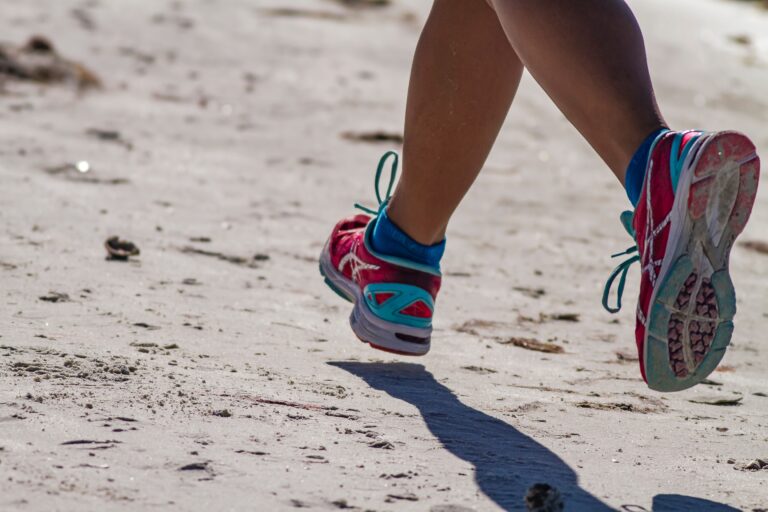
Comfort becomes increasingly important the longer I’m on my feet, which is why I’m running in my Brooks Ghost trail running shoes. They’re super comfy and I like that they are suitable for trails and tarmac thanks to their hybrid fit.
They also come with 3mm lugs, providing the grip I need on compact surfaces while still being comfortable with enough cushion support when I hit the tarmac.
If you’re trying to work out what to look for in an off-road running shoe, my guide to choosing the best trail shoes goes into more detail.
Hydration Vest
I’m using REI’s Co-Op Swiftland 5 hydration vest, which comes with a handy 1.5L water bladder and plenty of storage to hold an extra water bottle, my gels, and a few snacks. I also like that the hydration vest has more storage at the back, where I can store an extra layer.
Running Tights and Shorts
For the colder months, I was training in my REI Co-Op Swiftland running tights, which have been great at keeping my legs warm and giving me extra storage to hold gels. These tights come with two side pockets, smaller stash pockets on either side of my waist, and a compression back pocket.
During the warmer months, I switched my leggings to my Voxy 2-in-1 racer shorts. These lightweight shorts have built-in undershorts keeping me protected, while the side splits on the top shorts give me freedom of movement. There are also two pockets: one side pocket and a back pocket to store any essentials.
Compression Socks
Maybe it’s all in my mind, but since wearing my STOX energy compression socks on my long runs, I haven’t suffered from cramps in my legs.
They’re designed to enhance blood circulation and reduce shin splints with graduated compression. I also like that the heel and toe area are padded for extra cushioning while the moisture-wicking Dryarn material helps keep my feet dry.
What I Still Need to Work on Before My First Ultramarathon

At the time of writing, training for my first ultramarathon is still underway, but race day is less than a month away. And there’s still work to do.
Completing My Final Long Runs
With the 50K taking place in less than a month, this is what my training plan looks like with the rest of September and into October:
| Mon | Tues | Wed | Thurs | Fri | Sat | Sun | |
| Sept Tues 1st | 3.0 | 10.3 | 10.1 | 19.5 | |||
| Mon 7th | 4.0 | 7.1 | 28.0 | ||||
| Mon 14th | 4.0 | 10.0 | 13.7 | 6.5 | |||
| Mon 21st | 6.5 | 8.0 | 4.0 | ||||
| Mon 28th | 4.0 | ||||||
| Oct Thurs 1st | 50K |
At this stage, I’m conscious that the aim isn’t to cram as much training as possible into the remaining weeks.
I’ve spent months building fitness. Now it’s about completing the remaining work sensibly and eventually tapering for my ultramarathon so that I arrive at the start line ready rather than exhausted.
Getting to the Start Line Healthy
After all the effort I’ve put into training for my first ultramarathon, getting to the start line feeling healthy is important.
I have to remember to trust my training plan, especially toward the end, instead of trying to squeeze in another session. My legs have already done the miles and strength training, and mentally I feel prepared.
What I Wish I’d Known Before Training for My First Ultramarathon
I haven’t even reached race day yet, so I’m sure this list will look different afterwards.
But there are already a few first ultramarathon tips I’d give to the version of me who signed up. Here’s what I’ve learnt so far:
1. Don’t assume it’s simply marathon training with a few extra miles attached.
2. Practise eating and drinking much earlier than you think you need to.
3. Don’t underestimate how much recovery matters.
4. Test your equipment during your long runs.
5. Don’t panic when a training week doesn’t go perfectly.
Would I Recommend Signing Up for Your First Ultramarathon?

Ask me again somewhere around mile 28.
Right now, though?
Yes.
Training for my first ultramarathon has pushed me outside my comfort zone and forced me to approach running differently. And if I never did it, I’d always wonder, what if?
My training has taught me more about endurance, fuelling, recovery, and what my body is capable of. I’m also learning that you don’t have to train like an elite athlete to take on a big endurance challenge.
You do, however, need to respect the distance.
Training for my first ultramarathon has required commitment. Fitting training around family life, work, and everything else takes planning, and the long runs can consume a substantial chunk of my weekend. When I have finished a long run, even when I’m tired, I always feel satisfied and a sense of pride knowing that a distance that had seemed impossible is beginning to feel achievable.
FAQs: Training for My First Ultramarathon

Final Thoughts on Training for My First Ultramarathon
The training for my first ultramarathon is slowly coming to an end.
On 3 October, I’ll stand on the start line knowing I’ve done what I can to prepare for my first 50K.
I don’t know exactly what will happen next, but I’m hoping that all the work I’ve done so far will set me up to do the best that I can.
Training for my first ultramarathon has already taught me that preparing to run 50K isn’t about how many miles appear on an ultramarathon training plan.
It’s the early starts. The long runs. The tired legs. The strength training. Learning about ultramarathon nutrition. Practising hydration. Taking rest days when they’re needed. Fitting training around family life. And discovering that your body might be capable of more than you thought.
I’ve still got training to do, some final decisions to make, and then the small matter of running 31 miles. For now, the goal is simple: keep training, keep learning, and get to that start line healthy.
Then we’ll find out whether I can run 50K. And after that? I’ve already got my eye on a few (maybe more than a few) events for 2027.
Once I’ve crossed that finish line, I’ll be back to tell you what running my first ultra was like.
For more outdoor inspiration, check out our related guides:
- Trail Running for Beginners: The Breakthrough Guide for 2026
- My 11 Proven Life Lessons from Marathon Running [2026]
- How to Motivate Yourself to Run in 2026: 12 Expert Strategies
Happy running!
Have you found this training for my first ultramarathon guide useful? Have you run an ultramarathon before? How did it go? Are you thinking of doing one? Share your thoughts in the comments below!


Rebecca is a journalist/content writer with over 15 years of experience focusing on topics ranging from cryptocurrency, outdoor sports, family adventures, and the environment. She has a strong background in camping, hiking, snowboarding, and trail running gained through years of personal experience. She holds a BA in Journalism and News Media and an MA in Environmental Journalism. She has been featured in Bitcoin Magazine, Forbes, The Chartered Institute for Securities and Investments (CISI), REI, The Next Web, and The New Scientist. She is passionate about exploring more of the UK with her family and their Working Cocker Spaniel and enjoys helping readers find out the ways they can explore what’s around them together to create lasting memories.





What an inspiring post! Good luck with the rest of your training for your ultra marathon!
Thank you : ) I’ve definitely caught the bug and have a few that I want to do in 2027! I love the training as it’s time for me to be me without anyone needing me (a lot of me’s there : ))
This is absolutely amazing! Training for your first ultramarathon is such a huge commitment, and I love reading about everything that goes into preparing for something like this. It takes so much determination both physically and mentally. I’ll definitely be cheering you on!
Thank you so much for your kind words! I had the best time doing this. I didn’t get the time I wanted, (I’m my own worst critic!) but there’s always the next one : )
Whoa! All that it takes to prep and run a ultra. I’m amazed. Way to go. Hubby and I did a half marathon in Jamaica a long long time ago. Training for that was very different from walking that in Jamaica. So many blisters. But we did it even though we ended up last. ha ha
Amazing! I would love to do an event in Jamaica as I have family out there, so a holiday + a run = winning : ) I may have to look into this…