7 Top Tips: What to Do If Your Kid Doesn’t Like Camping
Struggling with what to do if your kid doesn’t like camping? Discover 7 strategies to make camping fun and build positive experiences with your family.

Last Updated on 31 July 2026
Disclosure: Some of the links on this site are affiliate links, which means I may earn a small commission if you click through and make a purchase. This comes at no additional cost to you. Read my affiliate disclosure to find out more.
Are you wondering what to do if your kid doesn’t like camping? Camping is an activity that the whole family can enjoy when it’s done right. I know from personal experience that things can go wrong, and even though you might have packed your things, researched the best UK family campsites, and planned the ideal weekend away, all of this won’t matter if your child refuses to go.
You thought your children would be up for camping, but then the “I don’t want to sleep outside”, “What if there are bugs?”, or “Why can’t we go to a hotel?” questions start. And suddenly, you’re sitting at the kitchen table wondering if you’ve made a mistake booking a three-night camping trip in a field that’s a two-hour drive away.
Most children who hate camping may not have experienced good camping yet. Maybe they’re anxious doing camping for the first time. Maybe they went before and the tent was too cold or too hot, the campsite was too noisy, or there weren’t any fun camping activities for children to get involved in.
Whatever it was, these are fixable problems.
In this post on what to do if your kid doesn’t like camping, I’m going to show you that with a bit of planning and the right approach even the most reluctant child can enjoy outdoor adventures. I’ve been there a few times with my girls and I can tell you that camping with reluctant children is achievable.
Let’s read on to find out more!
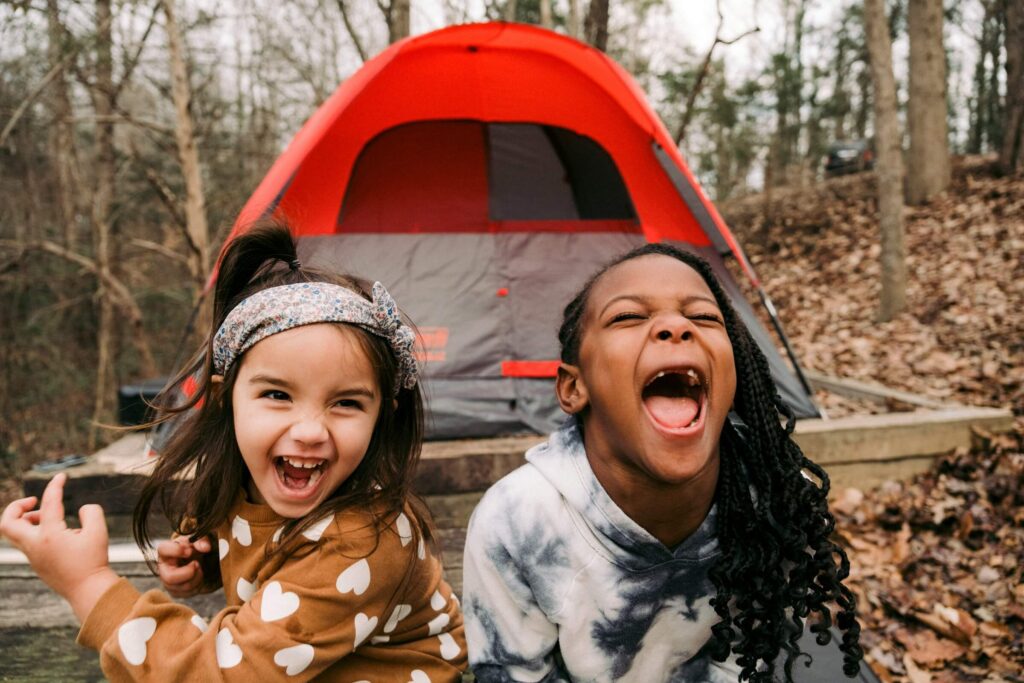
Read more: How to Start Family Camping: The Best Guide for 2026
1. Understand What to Do If Your Kid Doesn’t Like Camping
Before you can solve the problem, you need to know what the problem is. My girls love camping, but those early days of camping weren’t always easy. After a bit of talking, I was able to figure out the root causes, enabling us to have better experiences when we went again.
Here are some issues you might come across:
Fear of the unknown: New environments, darkness, and unfamiliar sounds can make a camping trip daunting for children who haven’t gone before.
Boredom: Without activities, kids can get restless and grumpy, complaining that they don’t want to stay. To avoid this, make sure you have plenty of family-friendly camping activities to keep young minds entertained.
Sensory sensitivities: Bugs crawling near the tent, dirt everywhere, strong campfire smoke, or even the smell of a portable toilet can overwhelm sensitive children. Some kids also don’t like getting wet, muddy, or having sand on their feet, which is likely to happen when you’re camping.
Past bad experiences: If they’ve had an awful camping trip before, the thought of going on another may make them anxious. In this situation, you’re not just introducing kids to camping, you’re trying to overcome a negative memory.
To help, why don’t you sit down with your child and ask them what they’re worried about. This is the best way to figure out what to do if your kid doesn’t like camping. Then listen without dismissing their concerns. If they’re worried about bugs, ask them specifically why. Is it bugs in the tent? Bugs crawling on them? A specific type of bug?
Once you know the problem, you can address overcoming camping fears and build their confidence.
2. Try Backyard Camping First
If you’re trying to figure out what to do if your kid doesn’t like camping, the best way to ease camping-resistant kids is to start in your garden. I’ve done this many times with my girls who love it when we have our tent pitched outside as it gives them a sense of adventure while being at home.
If you have children nervous about camping, pitching a tent in your back garden removes the fear of being in the wilderness. They can see their house and know there’s a bathroom nearby if they need it. Plus they can always go inside if things get a bit too much for them.
When we do backyard camping, I like to bring familiar things. For our last garden adventure, we had sleeping bags, chair cushions to go underneath for added comfort, and blankets. They also wore their favourite PJs and had a cuddly toy each to sleep with. Within about 20 minutes of settling down for the night, they were both fast asleep and didn’t wake up until well past 8am.
Even if it doesn’t feel like camping to you, for children who are reluctant about camping, it’s a major step doing something that’s unfamiliar to them. If they only manage a few hours, at least it’s a few hours more than they would have done. You can always build on that.
Read more: Best Family Camping Gear for 2026: Tried, Tested & Loved
3. Let Them Help Plan the Camping Trip
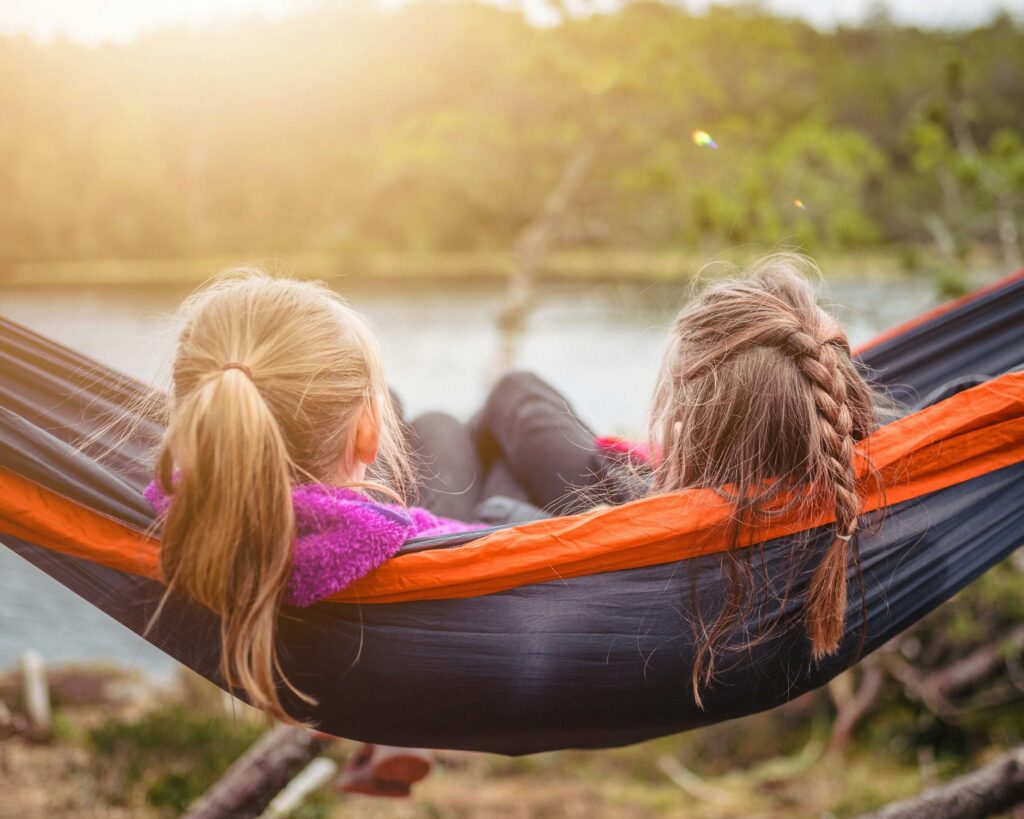
In my experience, kids love helping to organise things, and the same can be said when I’m planning a camping trip with my girls. On our last camping trip, I gave them three of the best campsites for kids to choose from, giving them the chance to pick the one we visited.
If you’re figuring out what to do if your kid doesn’t like camping, this could be a great way of breaking the ice with them.
Here are some things you can do to make it more exciting for them:
- Let them choose the campsite from options you’ve pre-approved
- Ask what camping meal ideas for families they’d enjoy eating. Instead of saying “shall we have beans on toast?” say “would you rather eat chilli or pasta?”
- Let them pack their own rucksack with comfort items and entertainment. You might end up with a tent full of random books, but at least they have familiar items around them
- Ask them to pick camping activities for children and to make a list before leaving. Nature scavenger hunts, going for a walk, or playing card games in the tent are all great options
- Give them a job at camp. My girls love being responsible for gathering firewood and helping prepare meals. Give them ownership of something to make the experience enjoyable and memorable.
4. Address Specific Camping Fears
When it comes to what to do if your kid doesn’t like camping, addressing their fears is a good way to find out why your child refuses to go camping.
Fear of Bugs
Bring insect repellent with you or wear these mosquito repellent bands that I use on my girls. My youngest was more scared of bugs than my eldest, so I would often explain that most insects are more scared of humans than we are of them.
Sleeping Discomfort
Make sure you bring a good quality sleeping mat with a high R-value for added comfort off the ground at night. We have two of these from Vango for our girls that are valued at 5.
Also invest in a high quality sleeping bag suitable for children. We have this one from Deuter and like the fact that it can extend as our girls grow, and is suitable for children between 130cm and 170cm.
Bring extra layers with you, including blankets, duvets or whatever makes them feel cosy at night. And don’t forget a nice comfy pillow.
Fear of the Dark
Include a camping lantern or fairy lights on your camping list to help alleviate any fears of the dark. We love fairy lights around our tent at night as they give off a soft glow when the sunlight fades. You could also keep a torch light close by inside the tent in case your children wake in the night.
Being Away from Home
Our girls like to bring something from home when we’re camping, whether it’s a colouring book, a cuddly toy, or a reading book. It’s nice for them to have something familiar on hand to give them comfort when they need it the most. It’s also handy to have on hand when they want some downtime in the tent.
Read more: Family Camping in Summer: The Ultimate UK Guide in 2026
5. Camping Activities for Kids
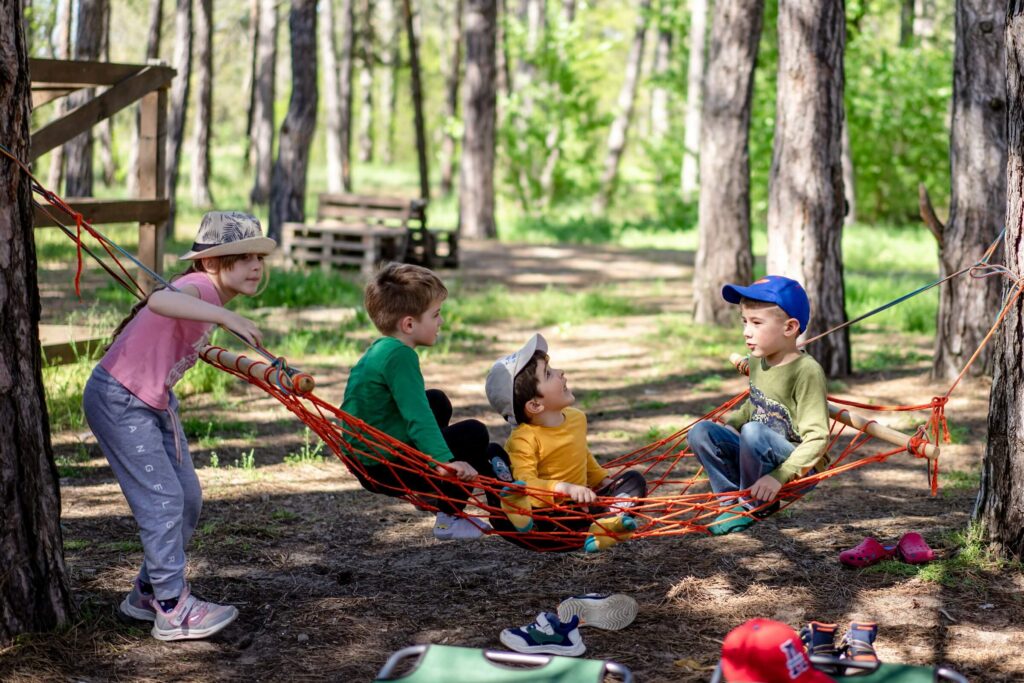
While there’s nothing wrong with children getting bored (they always end up finding something to do), it’s a good idea to have some camping games for kids just in case, and don’t forget your list of rainy day camping activities as well.
While nature activities for children are a great way of keeping young minds engaged, if they’re not into nature yet, looking at trees or spotting wildlife might not be the best answer.
Here are some other things we do as well:
- Activity packs: Bring colouring books, stickers, puzzle books, or travel games. Pack them and forget about them until the first sign of boredom.
- Planned structured activities: We love doing nature scavenger hunts, star-gazing, storytelling, and outdoor cooking where they can help.
- Hammocks or outdoor chairs: Just something comfortable where they can sit and read or relax.
- Age-appropriate hikes: Plan these so they feel like adventures, not endurance tests. You don’t want them going on a two-hour hike. Thirty minutes exploring with a clear destination (like a waterfall or an interesting rock) works better.
- A campfire program: Songs, stories, maybe some silly games. This doesn’t need to be complicated, just something to do in the evening.
- Card games or board games: Uno, snap, simple board games. Evening entertainment in the tent is a lovely way to unwind after the day’s activities.
- A camping journal: Let them draw or write about their day. My girls love doing this and sticking leaves, twigs, and flower petals inside. It’s a great way to make a nice memory to look back on.
6. Gradually Increase Camping Trips
If you want to know what to do if your kid doesn’t like camping, don’t book a long camping trip away from home. Instead, build gradually.
Here’s the gradual approach that works:
- Start with one night. If they know they’re only going to be away for one night, they might be more inclined to do it again.
- Progress to consecutive nights once they’re comfortable with one night.
- Try different seasons and locations so camping doesn’t feel repetitive or boring. Seasonal camping trips, like spring camping with kids, family camping in summer, or autumn family camping, exposes them to different weather.
- Build skills gradually. Teach them how to pitch a tent, make a fire, or cook outdoors, giving them a sense of purpose while building confidence.
Read more: Spring Camping With Kids: The Complete Family Guide for 2026
7. Have a Positive Attitude About Camping

If there’s one thing I’ve learnt about camping with my girls is that if I’m excited about it, they generally are. The excitement of sleeping outdoors, exploring where we’re staying, and meeting new friends makes them happy to go camping as they feel like they’re on an adventure.
If you’re kids pick up on your emotions, here are some things you can try with them when it comes to what to do if your kid doesn’t like camping:
- Stay calm and patient. Your attitude sets the tone for the entire trip.
- Share your own camping enthusiasm. Tell stories about your favourite outdoor adventures.
- Find joy in small moments. Sunrise views, wildlife spotting, quiet evenings. These are some of the best bits of camping.
- Don’t guilt-trip or force participation. Let them opt out of activities without making them feel guilty. You want them to enjoy camping and do it again with positive memories at the end of the trip.
- Laugh off mishaps. Bugs, rain, or messy cooking become funny stories, not disasters.
Final Thoughts on What to Do If Your Kid Doesn’t Like Camping
If you’ve been wondering what to do if your kid doesn’t like camping, remember it’s something that is easily solvable. Most camping resistance stems from discomfort, fear, or lack of involvement.
Start small with backyard camping or letting them choose the next destination. Address their concerns, involve them in the planning, and celebrate their courage. Pack camping games for kids, choose the right campsite, and most importantly, model enthusiasm for family camping.
Remember: building a love of camping is a journey, not a destination. Your child might not become an outdoor enthusiast overnight, but with patience, positivity, and the right approach, they can. In years to come, they’ll be thankful you took them, remembering the memories you all made together.
For more outdoor inspiration, check out our related guides:
- The 11 Best Family Campsites in the UK in 2026
- Best Autumn Camping Gear Guide: 14 Items You Need in 2026
- Spring Camping Activities Quiz: How Outdoorsy Are You, Really?
Happy camping!
Have you found this what to do if your kid doesn’t like camping guide useful? How did you get your children to enjoy camping? Share your thoughts in the comments below!


Rebecca is a journalist/content writer with over 15 years of experience focusing on topics ranging from cryptocurrency, outdoor sports, family adventures, and the environment. She has a strong background in camping, hiking, snowboarding, and trail running gained through years of personal experience. She holds a BA in Journalism and News Media and an MA in Environmental Journalism. She has been featured in Bitcoin Magazine, Forbes, The Chartered Institute for Securities and Investments (CISI), REI, The Next Web, and The New Scientist. She is passionate about exploring more of the UK with her family and their Working Cocker Spaniel and enjoys helping readers find out the ways they can explore what’s around them together to create lasting memories.