
What to Pack for a Day Hike With Kids: Your Family Checklist
What to pack for a day hike with kids? Use my UK family hiking checklist: snacks, layers, first aid, waterproofs, navigation and age-by-age extras.
Last Updated on 19 October 2026
Disclosure: Some of the links on this site are affiliate links, which means I may earn a small commission if you click through and make a purchase. This comes at no additional cost to you. Read my affiliate disclosure to find out more.
Planning a family hiking adventure is exciting, but knowing what to pack for a day hike with kids can make the difference between an enjoyable day outdoors and one filled with tired legs, hungry children, and complaints about being cold.
Whether you’re exploring woodland trails, walking along the coast or heading into the countryside, having the right supplies helps keep everyone comfortable, safe, and happy.
Over the years, I’ve learnt that hiking with children doesn’t mean taking everything you own. It’s about packing the essentials, preparing for changing weather, and bringing a few extras that make the adventure more enjoyable.
In this guide, I’ll share what to pack for a day hike with kids, including clothing, food, water, safety equipment, and the little things that can make family hiking easier.
You’ll also find a practical family hiking checklist to help you prepare for your next outdoor adventure.
Let’s read on to find out more!

Make Family Hiking Easier with The Hiking Adventure Planner!
From planning your route to organising your hiking essentials for kids, my printable Hiking Adventure Planner helps you prepare for family adventures without forgetting the important things.
With 29 pages of planning worksheets and a separate 24-page reusable printables pack, you’ll have everything you need to organise your hikes, plan food and water, prepare for different weather conditions, and record your favourite outdoor memories. Now you’ll never forget what to pack for a day hike with kids.

Quick Day Hike Packing List for Kids
Before we look at individual items, here’s a quick day hike packing list for kids covering the essentials I recommend bringing.
Clothing and Footwear
- Comfortable hiking shoes or walking boots
- Moisture-wicking socks
- Weather-appropriate clothing
- Waterproof jacket
- Warm fleece or additional layer
- Sun hat or warm hat
- Spare socks and clothes
Food and Water
- Refillable water bottles
- Packed lunch
- Energy-rich snacks
- Fresh fruit
- Extra food for unexpected delays
Safety and Navigation
- Basic first aid kit
- Map or downloaded offline route
- Fully charged mobile phone
- Portable power bank
- Suncream
- Insect repellent
- Emergency whistle
- Emergency blanket
Additional Family Hiking Essentials
- Comfortable hiking backpack
- Tissues and wet wipes
- Hand sanitiser
- Small rubbish bag
- Walking poles if needed
- Lightweight sit mat
- Small activities for children
This day hiking packing list can be adapted depending on your children’s ages, the weather, the distance you’re walking, and the type of terrain you’ll encounter.
Below, I’ll take you through each of these family hiking essentials, including my recommended gear, and tips for choosing the right equipment.
1. Comfortable Hiking Shoes and Walking Boots

One of the most important things to consider when deciding what to pack for a day hike with kids is footwear.
Uncomfortable shoes can turn an enjoyable family walk into a miserable experience, especially when children are walking longer distances or exploring uneven terrain.
For shorter walks on well-maintained trails, comfortable trainers with a good grip may be suitable. However, for muddy woodland paths, rocky terrain or longer hikes, the right children’s hiking shoes or walking boots can provide additional support and protection.
What to Look For
- Good grip for slippery or uneven surfaces
- Comfortable fit with enough room for toes
- Breathable materials
- Waterproof protection for wet conditions
- Lightweight construction
- Secure laces or fastenings
Make sure your children have worn their hiking shoes before attempting a longer walk. New footwear can cause blisters, especially when combined with damp socks.
My recommendation: My girls love wearing these hiking boots for our adventures. They’re comfortable, provide the support needed, and have a good grip for those slippery surfaces.
2. Weather-Appropriate Hiking Clothes for Kids
When you’re thinking about what to pack for a day hike with kids, wearing the right clothing is important.
The weather in the UK can change quickly, even when the forecast looks promising. I can’t count the amount of times we’ve been caught in the rain when the forecast said sunny conditions. By dressing your children in layers, you can adjust their clothing as temperatures change throughout the day.
Essential Hiking Clothing
- Base layer: A breathable, moisture-wicking top that helps keep sweat away from the skin
- Mid-layer: A fleece or lightweight insulated jacket for warmth
- Outer layer: A waterproof and windproof jacket
- Walking trousers or leggings: Comfortable clothing that allows movement
- Hiking socks: Well-fitting socks that reduce rubbing
- Hat: A sun hat in summer or a warm hat in colder weather
- Gloves: Useful during autumn and winter
Avoid cotton clothing for cold or wet hikes because it absorbs moisture and takes longer to dry.
For family walks during autumn and winter, I always recommend packing an additional warm layer, even if your children don’t need it at the start.
3. A Comfortable Hiking Backpack
A good backpack is another important part of your kids’ hiking gear.
For younger children, parents will probably carry most of the supplies. However, as children become more confident walkers, giving them a small backpack can encourage independence and help them feel involved in the adventure.
Features to Consider
- Adjustable shoulder straps
- A lightweight design
- A comfortable padded back
- A chest strap to help keep the bag secure
- Easy-access pockets
- Space for a water bottle and snacks
- Water-resistant materials or a rain cover
Children should only carry a comfortable amount of weight appropriate for their age and ability.
For younger hikers, a small backpack containing their water bottle, snack, and lightweight waterproof jacket is often enough.
My recommendation: We use this Osprey backpack for our eldest. She finds it comfortable to wear with the back padding while the 12l volume gives her enough space to carry a few things. My youngest doesn’t carry anything yet even though she keeps asking to.
4. Plenty of Water and Hydration Supplies

Water is one of the most important things on any family hiking checklist.
Children can become dehydrated during physical activity, especially when walking in warm weather or tackling steep hills.
When deciding what to bring hiking with kids, think about how long you’ll be outdoors, the temperature, and whether there are opportunities to refill your bottles.
What to Pack
- Refillable water bottles for each family member
- Additional water for longer hikes
- An insulated bottle for colder conditions if desired
- A hydration bladder (at least 1.5l) for older children or adults
- Water purification equipment when appropriate for remote routes
I encourage my children to drink regularly instead of waiting until they’re thirsty. For longer walks, I prefer to carry additional water rather than risk running out before we reach the end of the trail.
Tips:
- Little and often beats drinking large amounts
- Flavoured water encourages more drinking
- Set regular drink reminders (every 20 minutes)
- Watch for early dehydration signs (grumpiness, headaches)
5. Hiking Snacks and Packed Lunches for Kids

Don’t forget your food when you’re figuring out what to pack for a day hike with kids, especially if you’re planning to spend several hours outdoors.
My children use plenty of energy when walking, climbing, and exploring, so having snacks readily available can help maintain their energy and enthusiasm.
Choosing a combination of carbohydrates, protein, and healthy fats can provide more sustained energy throughout the hike.
Best Hiking Snacks for Kids
- Bananas, apples and easy-to-eat fruit
- Homemade flapjacks
- Oat bars
- Trail mix, where age-appropriate and allergy-safe
- Crackers
- Sandwiches or wraps
- Dried fruit
- Seaweed snacks
- Roasted chickpeas
- Vegetable sticks
- Nut butter sandwiches, where suitable
These hiking snacks for kids are easy to pack, although foods that require chilling should be kept cool.
Packed Lunch Ideas
- Hummus and vegetable wraps
- Peanut butter and banana sandwiches, where suitable
- Pasta salad in a sealed container
- Pitta bread with hummus
- Fruit and oat bars
I also recommend packing a little more food than you think you’ll need.
My tip: Keep a favourite snack for the second half of the hike. It can be a useful incentive when little legs start getting tired.
6. A Family Hiking First Aid Kit
A basic first aid kit should always feature on your day hiking packing list.
Children love exploring, which means minor scrapes, bumps, and blisters can happen even on relatively easy trails.
Having supplies close at hand enables you to deal with small injuries before they become bigger problems.
What to Include
- Assorted plasters
- Blister plasters
- Sterile dressings
- Antiseptic wipes
- Medical tape
- Disposable gloves
- Tweezers
- Any prescribed medication
- Age-appropriate pain relief if needed
- Emergency contact information
Check your first aid kit before each hike and replace anything you’ve used.
If anyone in your family has allergies or a medical condition, make sure you carry their required medication and know how to use it. If you’re exploring remote walks, consider carrying additional emergency supplies and learning basic outdoor first aid.
7. Navigation and Emergency Essentials

Knowing what to pack for a day hike with kids isn’t only about keeping everyone comfortable. It’s also about preparing for unexpected situations. Even familiar walking routes can become confusing when paths split, weather conditions change or you decide to explore somewhere new.
Essential Navigation and Safety Items
- Downloaded offline walking route
- Paper map and compass for suitable routes
- Fully charged mobile phone
- Portable charging bank
- Emergency whistle
- Small torch or headtorch
- Emergency blanket
- Details of your planned route
- Emergency contact information
Before setting off, check the route distance, expected walking time, terrain, and weather forecast.
Remember that children walk slower than adults, and they love stopping to investigate wildlife, climb over logs or explore their surroundings.
For longer or remote hikes, tell someone where you’re going and when you expect to return.
In the UK, call 999 or 112 in an emergency and ask for the police, then mountain rescue if required.
8. Sun Protection and Insect Repellent
Sun protection is easy to overlook when you’re hiking during spring or on cloudy days.
However, children can still be exposed to UV radiation even when the temperature feels cool.
Sun Protection Essentials
- Broad-spectrum SPF 30 or higher suncream
- Wide-brimmed sun hat
- UV-protective sunglasses
- Lightweight long-sleeved clothing
- Additional drinking water
Apply suncream before starting your walk and reapply according to the product instructions.
In woodland, grassy areas, and countryside locations, insect repellent may also be useful. You should also check your children for ticks after walking through long grass, woodland or areas where ticks are common.
9. Spare Clothes and Waterproofs
If there’s one thing I’ve learnt about hiking with children, it’s that they’re good at finding muddy puddles. For this reason, spare clothing is one of those hiking essentials for kids that I might not always need, but I’m grateful to have when I do.
Useful Spare Clothing
- Extra socks
- Spare underwear for younger children
- Lightweight trousers
- Warm fleece
- Waterproof jacket
- Waterproof trousers
- Dry bag for wet clothing
For longer hikes, colder conditions or routes where children might get wet, extra layers are important. I also leave a change of clothes and shoes in the car for the journey home. I would rather have them and not need them instead of needing them and not having them.
10. Fun Hiking Activities for Kids
When deciding what to pack for a day hike with kids, don’t forget to include something that makes the experience fun.
Children are often more enthusiastic about walking when they have something to look for or an activity to complete along the way.
The good news is that hiking activities don’t need to take up much space in your backpack.
Fun Things to Bring
- Small nature scavenger hunt
- Wildlife identification cards
- Child-friendly binoculars
- Pocket notebook and pencil
- Small magnifying glass
- Printable hiking activity sheets
- Camera for older children
You can also play games that don’t require any equipment, such as spotting different colours, counting birds or looking for animal tracks.
Giving children small challenges can turn an ordinary walk into a memorable adventure.
What to Pack for a Day Hike with Kids by Age

When planning what to pack for a day hike with kids, consider their age, walking experience, and their ability to carry their own belongings.
Toddlers and Preschoolers
For younger children, keep hikes short and allow plenty of time for exploring.
Useful items include:
- Suitable child carrier if needed
- Nappies or toileting supplies
- Wet wipes
- Extra clothing
- Familiar snacks
- Water bottle
- Favourite small toy
- Sun protection
- Waterproof clothing
A child carrier is useful if your toddler becomes tired before the end of the route. I loved using my Osprey child carrier for my girls when they were too young to walk, but we still wanted to get out and explore.
Primary School-Aged Children
Children in this age group may be ready to carry a few of their own supplies.
In their small hiking backpack, consider packing:
- Water bottle
- Personal snacks
- Lightweight waterproof jacket
- Spare socks
- Nature activity sheet
- Sun hat
- Comfortable hiking shoes
You can also encourage your children to help pack their bags so they begin learning how to prepare for outdoor adventures.
The key is making them feel responsible whilst ensuring they’re not carrying too much weight. Generally, children shouldn’t carry more than 15% of their body weight.
Older Children and Teenagers
Older children can often take more responsibility for their equipment.
In an appropriately sized hiking backpack, they might carry:
- Water and snacks
- Additional clothing layers
- Waterproof jacket
- Personal first aid supplies
- Route information
- Whistle
- Fully charged phone, if they have one
It’s also a good opportunity to teach basic navigation, trail safety, and responsible outdoor behaviour.
What to Pack for a Day Hike with Kids in Rainy or Cold Weather
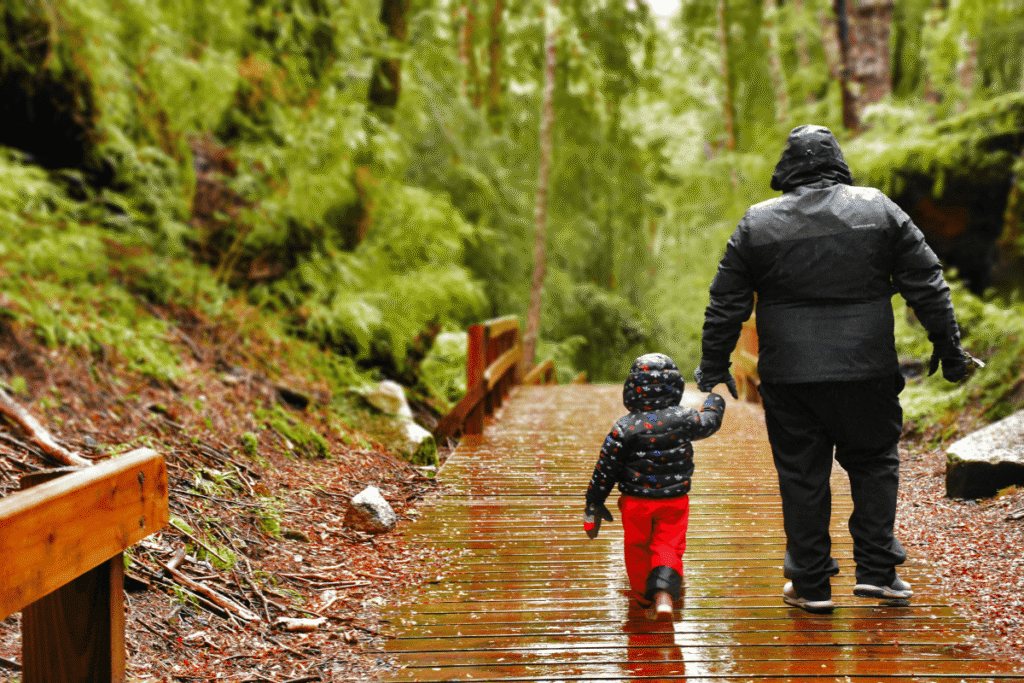
During autumn and winter in the UK, knowing what to pack for a day hike with kids becomes even more important because wet clothing, cold temperatures, and shorter daylight hours can affect your plans.
Extra Essentials for Rainy Weather
- Waterproof jackets
- Waterproof trousers
- Waterproof hiking boots
- Spare socks
- Backpack rain covers
- Waterproof bags for electronics
- Dry clothing for afterward
Extra Essentials for Cold Weather
- Thermal base layers
- Insulated jackets
- Warm hats
- Gloves
- Neck warmers
- Additional snacks
- Insulated drinks bottle
- Headtorch for shorter daylight hours
How to Pack Your Family Hiking Backpack
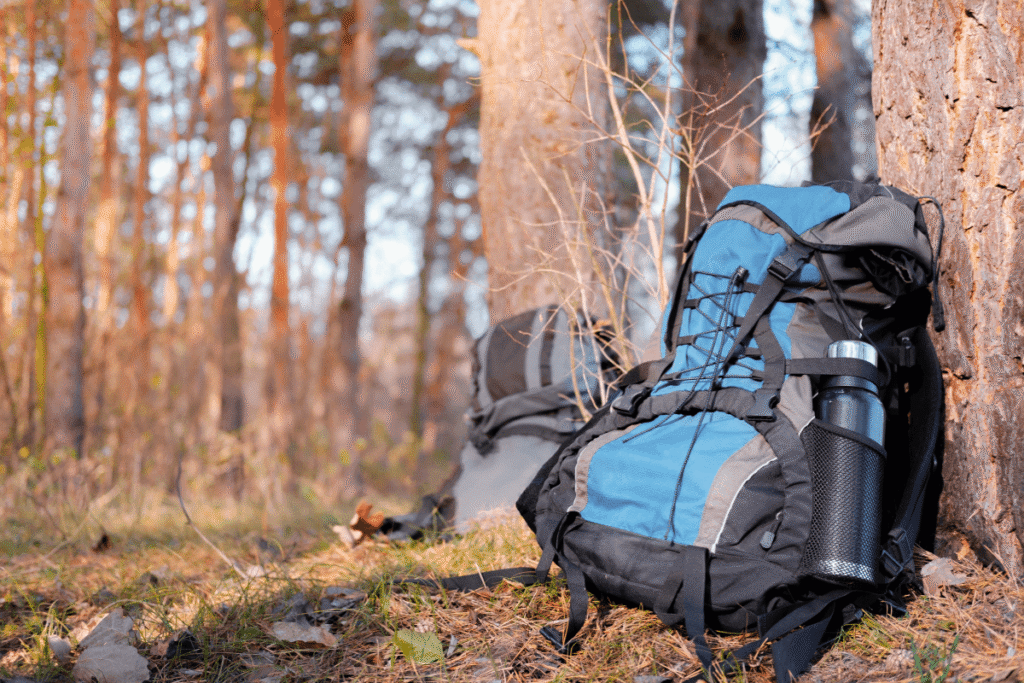
Once you’ve decided what to pack for a day hike with kids, the next step is organising everything so it’s easy to find.
A well-packed backpack makes a big difference when someone needs a snack, waterproof jacket or plaster.
Bottom of the Backpack
Pack items you’re less likely to need immediately. I also put some of these in the separate zip compartment at the bottom of my backpack, so I can still reach them if needed.
- Spare clothes
- Additional warm layers
- Emergency supplies that remain readily accessible
Middle of the Backpack
Place heavier items close to your back:
- Packed lunches
- Extra water
- Additional food
- Heavier equipment
Top of the Backpack
Keep frequently used items easy to reach:
- Waterproof jackets
- First aid kit
- Snacks
- Suncream
- Hats and gloves
Outer Pockets
Use accessible pockets for:
- Water bottles
- Tissues
- Hand sanitiser
- Map
- Small rubbish bag
Common Mistakes to Avoid When Packing for a Family Hike
Even experienced hikers, myself included, can occasionally forget something. Here are a few mistakes worth avoiding when preparing your family hiking checklist.
Packing Too Much
It’s tempting to bring everything just in case, but unnecessarily heavy backpacks can make walking uncomfortable.
Focus on essential equipment and adapt your packing list to the route.
Not Bringing Enough Food or Water
Children may need more frequent snack breaks than adults, especially during longer walks. Make sure you carry enough food and water for your planned route, with a sensible reserve.
Forgetting About the Weather
A sunny morning doesn’t guarantee dry conditions all day. Before leaving, check the forecast and pack suitable clothing.
Choosing an Overly Ambitious Route
When hiking with children, distance isn’t everything. You’ll find that a shorter trail with interesting things to explore will be much more enjoyable than a long walk that leaves everyone exhausted.
Forgetting to Involve the Children
Let children help choose snacks, pack their backpacks, and learn about the route. By giving them a role in planning, you’ll make the experience more exciting, and something they’ll likely want to experience again.
FAQs: What to Pack for a Day Hike with Kids

Make Planning Your Next Hike Easier
If you’d like a ready-made family hiking checklist, route planning worksheets, packing lists, and hiking activity pages, take a look at my printable Hiking Adventure Planner.
It’s designed to help you organise your outdoor adventures, prepare your hiking supplies, and create lasting family memories.
Explore The Hiking Adventure Planner
Final Thoughts on What to Pack for a Day Hike with Kids
Knowing what to pack for a day hike with kids helps make family adventures more enjoyable, comfortable, and stress-free.
You don’t need expensive equipment or an enormous backpack to have a fantastic day outdoors.
Start with the essentials: comfortable footwear, suitable clothing, plenty of food and water, navigation supplies, and basic safety equipment.
Then add a few extras based on your children’s ages, the weather, and the type of hike you’re planning.
Most importantly, remember that hiking with children isn’t about covering the greatest distance or reaching the summit as quickly as possible.
It’s about spending time together, exploring new places, and helping your children develop a love of the outdoors.
For more outdoor inspiration, check out our related guides:
- Hiking with a Two-Year-Old: What You Need to Know in 2026
- A Family Spring Hike at Tyneham Village and Worbarrow Bay
- Family Camping in Summer: The Ultimate UK Guide in 2026
Happy hiking!
Have you found this what to pack for a day hike with kids guide useful? What things have worked on your family hiking adventures? Share your thoughts in the comments below!


Rebecca is a journalist/content writer with over 15 years of experience focusing on topics ranging from cryptocurrency, outdoor sports, family adventures, and the environment. She has a strong background in camping, hiking, snowboarding, and trail running gained through years of personal experience. She holds a BA in Journalism and News Media and an MA in Environmental Journalism. She has been featured in Bitcoin Magazine, Forbes, The Chartered Institute for Securities and Investments (CISI), REI, The Next Web, and The New Scientist. She is passionate about exploring more of the UK with her family and their Working Cocker Spaniel and enjoys helping readers find out the ways they can explore what’s around them together to create lasting memories.




Such a helpful checklist, Rebecca! As someone UK-based too, I definitely agree about always packing waterproofs! 😅 I’d also suggest checking sunset times…especially during autumn and winter. Do you have any favourite family-friendly UK trails?
Hi Abby, yes, that’s a great tip, too! It’s so easy to forget when summer comes to an end! We love exploring Devon especially around Exmoor, Dorset and the Jurassic Coast, and Wales. What about you?