
A Family Spring Hike at Tyneham Village and Worbarrow Bay
Planning a trip to the ‘lost’ Tyneham Village and Worbarrow Bay in Dorset, UK? Find out its history, parking, the best walk route, facilities, and family tips.
Last Updated on 4 April 2026
Disclosure: Some of the links on this site are affiliate links, which means I may earn a small commission if you click through and make a purchase. This comes at no additional cost to you. Read my affiliate disclosure to find out more.
I love visiting abandoned places. I love imagining what it might have been like to live in these locations, the people that lived there, and what their lives might have been like.
Tyneham Village is exactly that, a Dorset village in the UK evacuated during WWII and never returned to, now sitting quietly on the edge of the Purbeck coast. Pair it with Worbarrow Bay (one of the most dramatic beaches in the area) and you’ve got a day out that feels like a history lesson, a coastal walk, and an adventure rolled into one.
In this guide, I’ll walk (no pun intended) you through everything you need to know to visit Tyneham Village and Worbarrow Bay safely and confidently, including when you can access the area (it’s on a military range), where to park, the walking route we often take, what to bring, and the key safety bits for families.
Let’s read on to find out more!
Read more: Hiking with Children: The Best Guide for Parents in 2026
Quick Walk Details
Distance: Around 3 miles
Duration: between 2-4 hours
Difficulty: Moderate
Elevation Gain: 700 feet
Terrain: Gravel paths
Start/End Point: Whiteways car park
Parking Info: Free parking at Whiteways car park, suggested £4 donation in Tyneham Village
Refreshments/Toilets: There is a mobile coffee van opposite the car park in Tyneham Village, call the Forgotten Salt Pig. Toilets are just inside the Tyneham Farm. These are the only toilets onsite
Opening times: Check the Gov.uk website for up-to-date information
The History of Tyneham Village
Tyneham is a ghost village that was abandoned in Dorset in 1943. Prior to this, it was a working village with a school, a post office, and a rural community that lived their day-to-day lives in a simple manner, relying on farming and fishing for their livelihood.
However, in the autumn of 1943, at the height of WWII, the more than 220 inhabitants of Tyneham Village were given a month’s notice to evacuate on the orders of the UK government. The reason? The village and the surrounding area, which included thousands of acres, was needed in the war effort as part of preparations for D-Day.
The letter to the residents said: “The Government appreciate that this is no small sacrifice which you are asked to make, but they are sure that you will give this further help towards winning the war with a good heart.”
On the day of the evacuation, the villages pinned a note to the church door that read:
“Please treat the church and houses with care. We have given up our homes, where many of us have lived for generations, to help win the war to keep men free. We will return one day and thank you for treating the village kindly.”
On 19th December, 1943, the residents moved out of Tyneham, always expecting to return. Following the end of WWII in 1945, and with looming threat of the Cold War, in 1948 priority was focused on defence needs, and the villagers of Tyneham found they couldn’t return.
Since then, it has been used as a military firing range training British armed forces. In 1961, public access to the village and roads was closed; however, in 1975, that accessed was improved, which continues today.
Where Are Tyneham Village and Worbarrow Bay?
Tyneham Village and Worbarrow Bay are located in the Isle of Purbeck in Dorset in the UK. It’s ideally placed for walks near Wareham, walks near Corfe Castle, and the things to do near Lulworth.
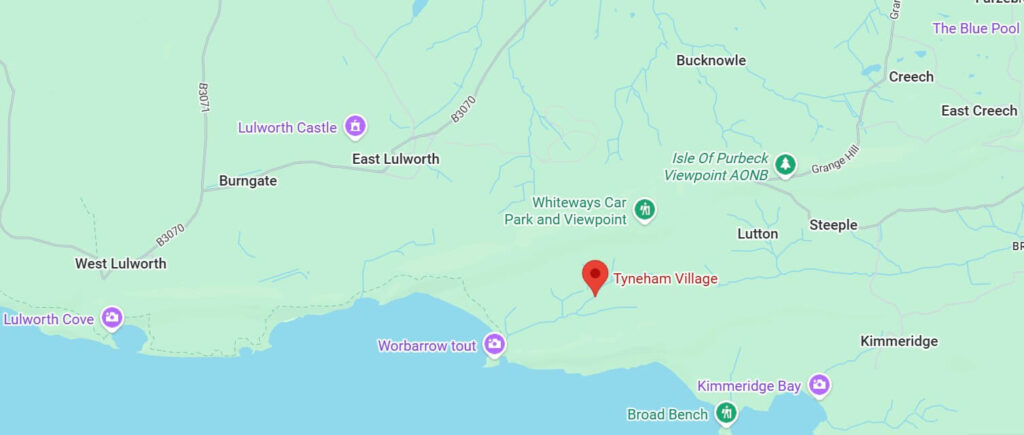
What makes Tyneham Village and Worbarrow Bay special is the combination of an abandoned village plus a sweeping bay on the Jurassic Coast. It’s one of my favourite Dorset coastal walks because you get history and amazing views.
Read more: Spring Camping With Kids: The Complete Family Guide for 2026
The Tyneham Village and Worbarrow Bay Walk
Before You Go: Tyneham Village, Worbarrow Bay, and Lulworth Ranges are owned by the Ministry of Defence (MoD), so they are sometimes closed at specific times. For exact opening days and timings, check out the Gov.uk website.
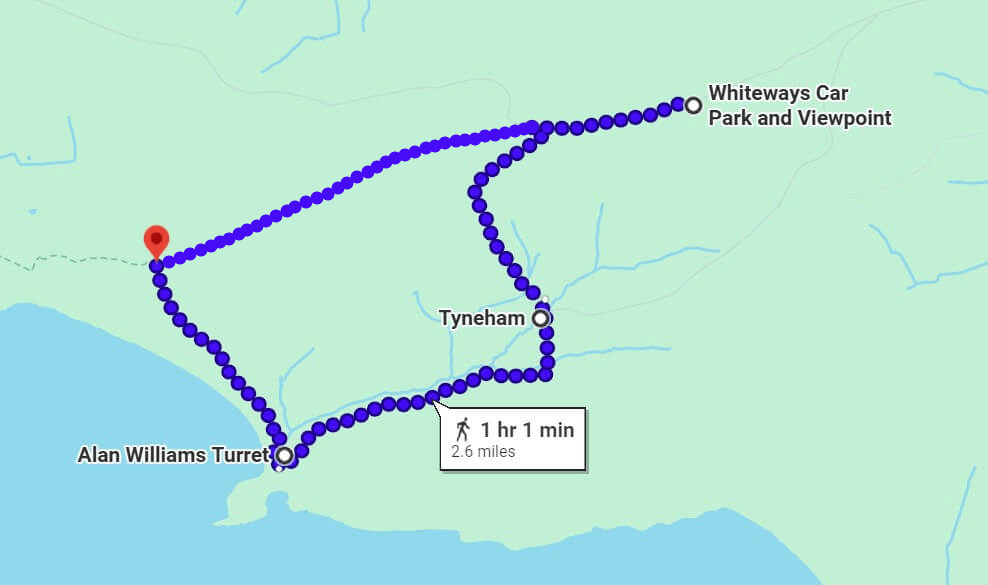
When we visit Tyneham Village and Worbarrow Bay, we like to start our walk from the Whiteways car park and viewpoint overlooking the village and the bay in the distance. From here, we go through the gate and follow the footpath until we get to a fork.
You can either go straight ahead or take the slight left down into Tyneham Village, passing cows along the way. It’s a slightly steep path with loose rock, so you’ll need to watch where you’re landing your feet. I always wear grippy trail shoes here, like these ones from Solomon, and carry a blister pack in my daypack from Deuter.
Once at the bottom, you’ll pass another gate, bringing you into the village. On your left, you’ll see the famous St Mary’s church the residents left their note. Depending on the day you visit, you can have a look around inside, taking in the quiet of the space, the glass windows, and finding out more about the villagers.
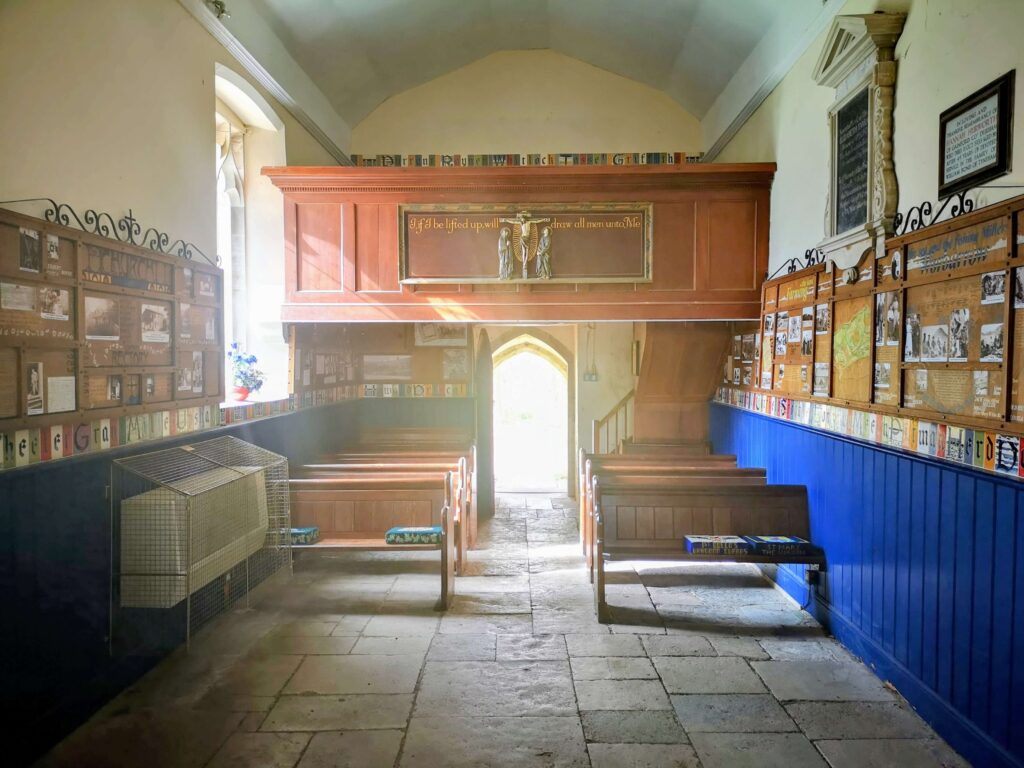
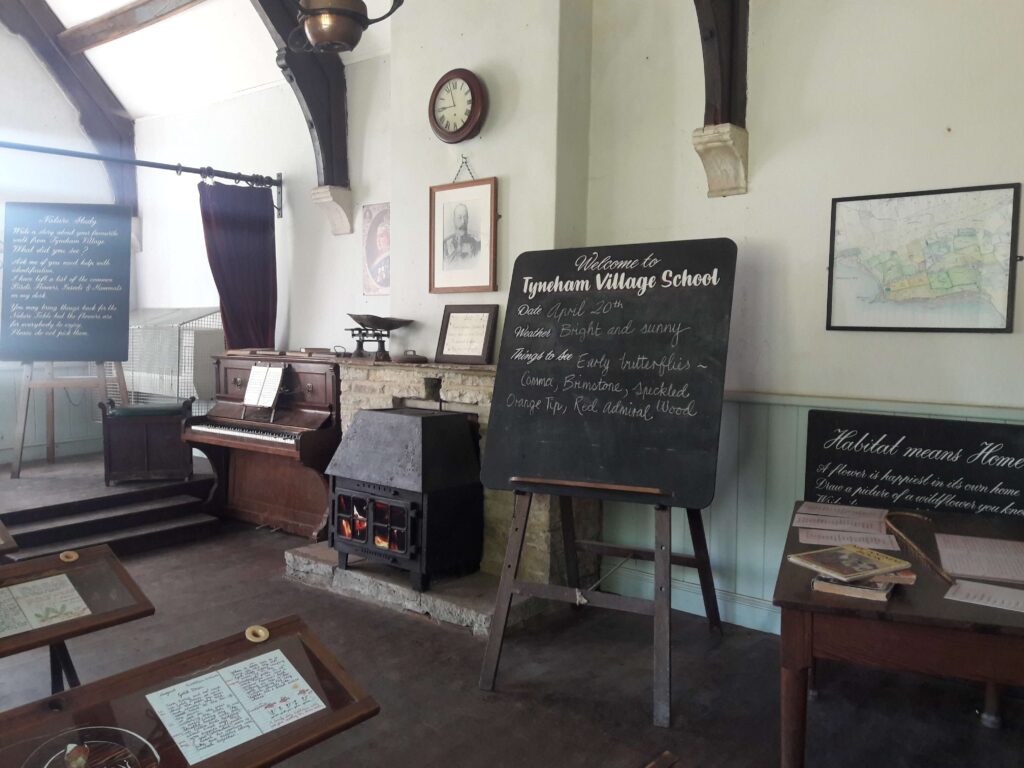
After leaving St Mary’s church, the school is your next point of call. There are some houses between the church and school; however, these have been blocked off for safety reasons. The school is always open for visitors to step inside and take a look. My girls loving sitting at the tables still set out in rows in the room and playing on the piano. Before going into the classroom, you walk through the doorway into a small corridor, displaying the history of the school, as well as photos of the children and class photos.
I always feel as though time has stopped and the children have gone out to play, especially with various writings and drawings on display in the classroom. On the desks, you’ll find open exercise books while the curriculum at the time shows a focus on writing, nature, reading, and maths. An old piano, a fireplace, a blackboard, and a teacher’s desk are in the classroom, giving you a sense that everything was done in this one room for the children who lived in the village.
Sadly, the school closed in 1932 when attendance fell to nine pupils, following the closure of the Coastguard Station in Worbarrow in 1912 that saw half the pupils leaving.
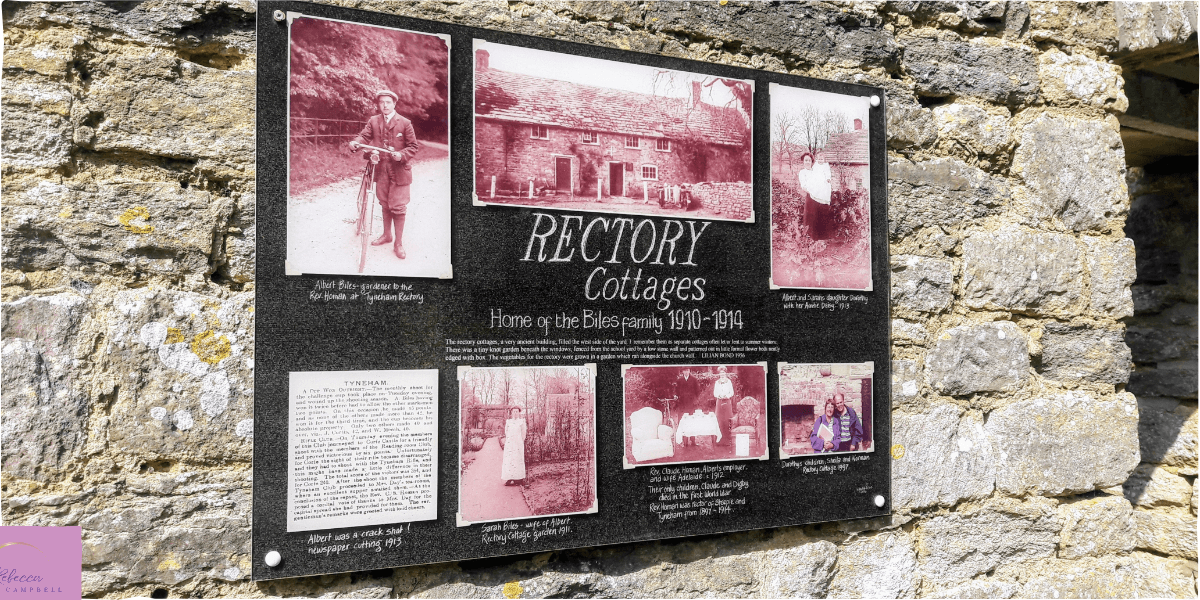
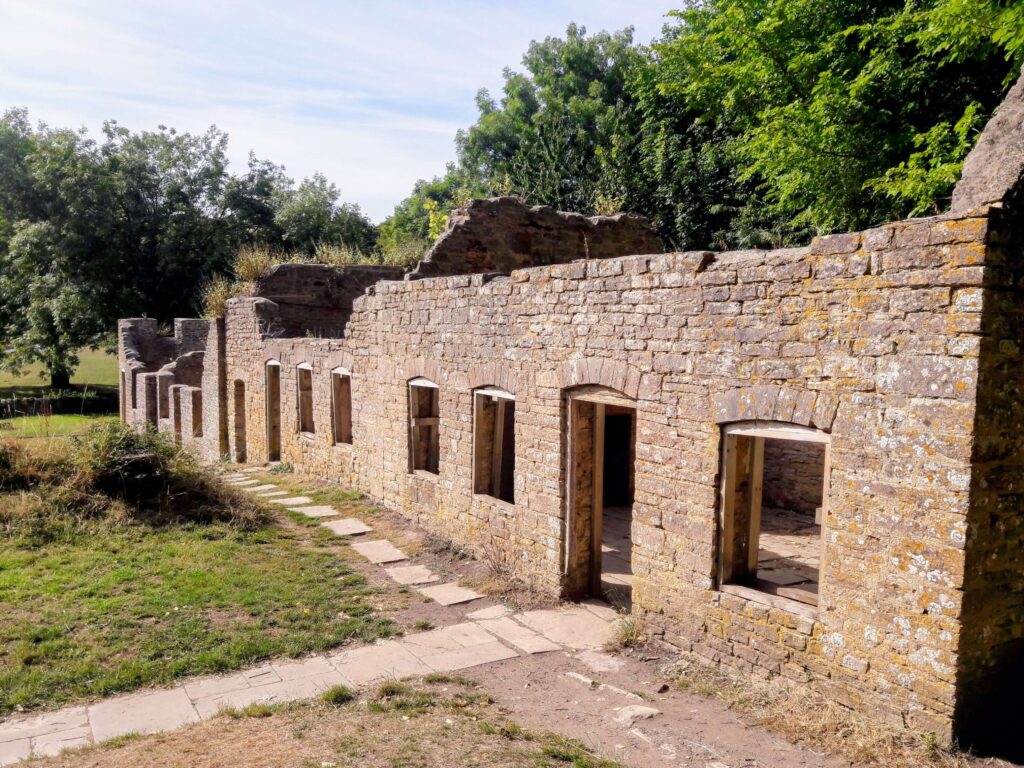
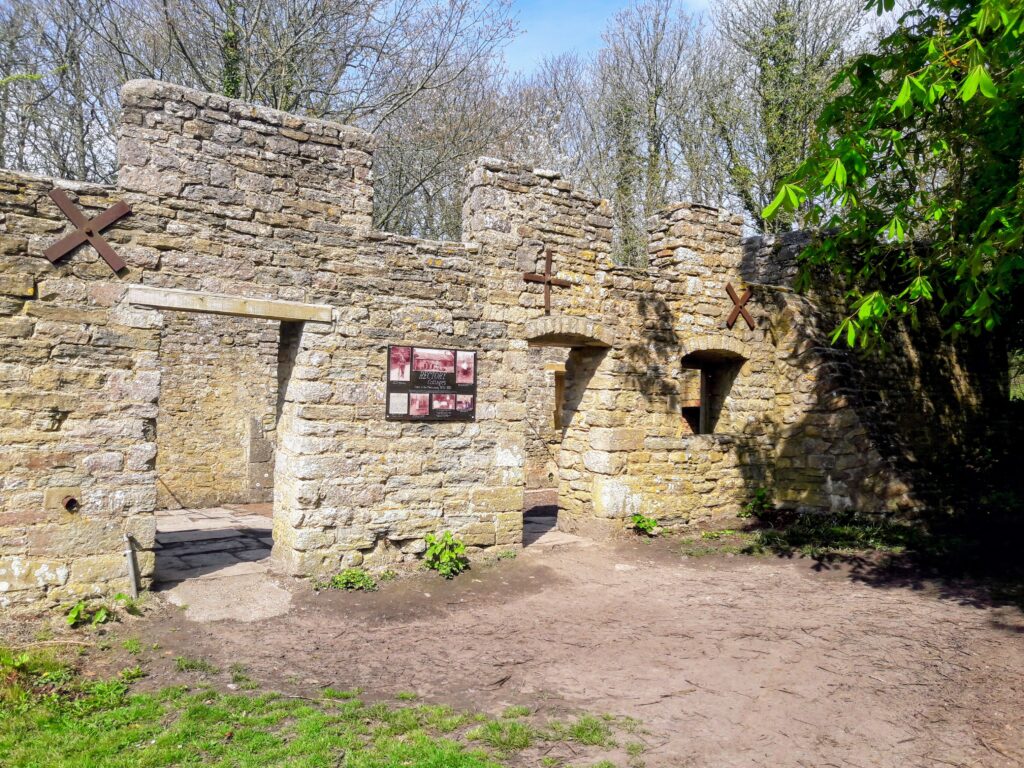
Upon leaving the school, you follow the path to the right, which brings you to the remaining houses visible in the village. You can walk through these and read the plaques on the walls describing the families that lived in them along with a picture of what they looked like.
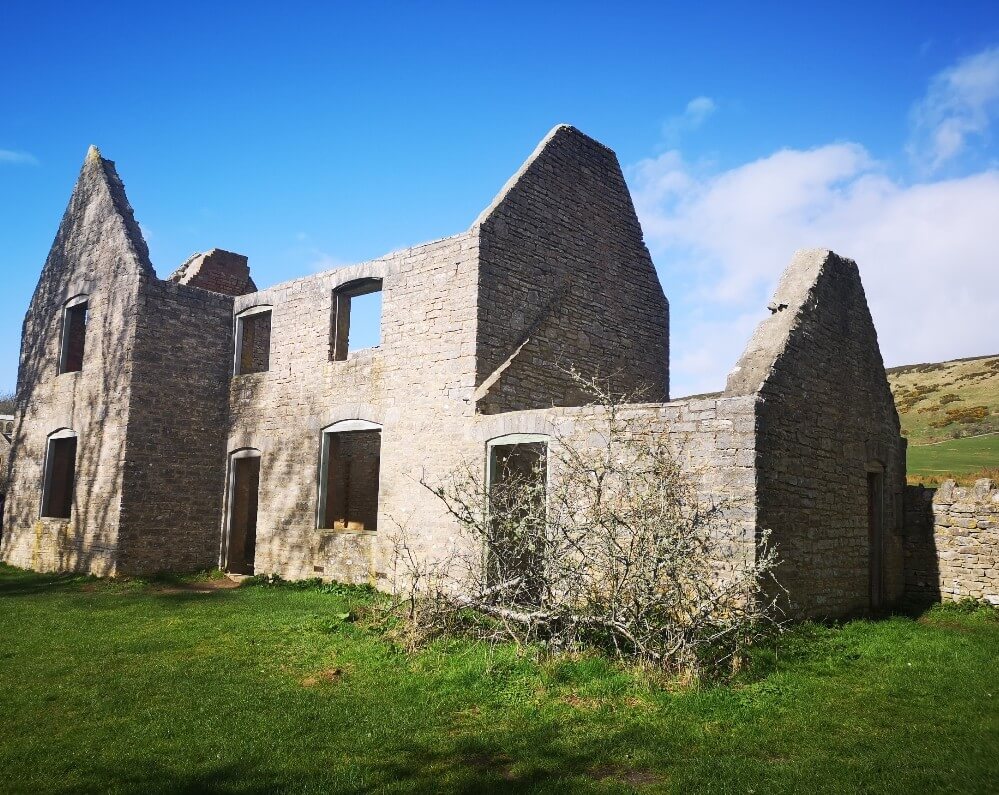
When you step inside, they give a great sense of what it was like and the size of them, with many of them still showing where the fireplaces were on the ground and first floors. These four cottages, which make up The Row, were the School House (also known as Flagstaff Cottage), the Labourer’s Cottage, the Post Office, and the Shepherd’s Cottage.
The last school teacher at the School House was Leonora Hearne from 1928 to 1932. After 1932, it belonged to sisters Helen and Charlotte Hole. The Labourer’s Cottage belonged to Ernest and Mabel Whitelock. The Post Office was home to William and Gwendoline Driscoll at the time of the evacuation. You’ll also find the famous telephone box standing outside the Post Office, which has been made to look like it did during WWII. The Shepherd’s Cottage belonged to William and Winifred Upshall; however, they left in 1929 before the evacuation.
When you leave the four cottages, you’ll see the village pond. Beyond this, there’s a car park on your left (suggested donation of £4), which you can drive down to from the top if you don’t fancy walking from the Whiteways car park I mentioned above.
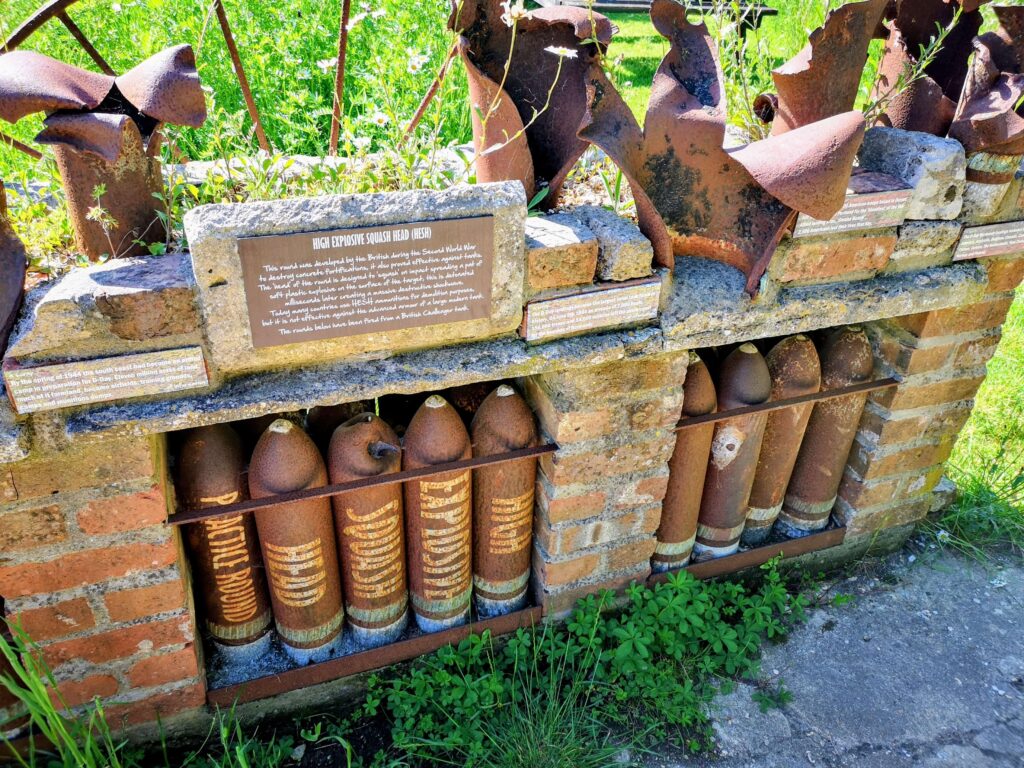
Carry on walking and you’ll come to a set of gates. Go through these and over the little bridge. On your left you’ll find some toilets (the only ones available on the walk) and Tyneham Farm. Here, some of the outbuildings have been restored and there’s a little picnic area to enjoy. On display are an array of old ammunition and information plaques talking about the D-Day landings, which I always love reading.
After you’ve explored Tyneham Farm, go back the way you came, past the toilets, to carry on with your walk. You have several options here. You can either go through the cattle gate on your left and continue up, taking the higher path toward Worbarrow Bay, or you can take the lower path. Both will lead you to the same place, but your energy levels will determine which route you decide on.
For the purpose of this post, let’s follow the lower path.
From the village to Worbarrow Bay, it’s about one mile or a 20-minute walk. Due to its remote location and no facilities, the Bay doesn’t get overcrowded, making it a great spot for a bit of swimming, seal spotting, or even a picnic (just remember, you’ll need to carry your stuff there and back).
Here are a few things we like bringing with us:
- A waterproof jacket/windproof jacket
- A lightweight picnic blanket
- A power bank
- A small cool bag
- A small first aid kit
- Water and snacks
- A microfibre towel
Remember: Tyneham Village and Worbarrow Bay are part of the Ministry of Defence (MoD) Lulworth Ranges, so if you’re walking from the Village to the Bay you need to keep to the paths marked with yellow posts at all times.
We love spending a few hours here with our girls and our working cocker spaniel, who would quite happily spend all his time in the sea. Don’t forget to bring a microfibre towel and reusable water bottle filled with water if you do plan on staying for a while. My girls love these water bottles for our walks. Also, Worbarrow Bay isn’t your typical sandy beach; there are plenty of pebbles and stones, so bring some water shoes or these kids ones we use with you, but it’s a great place for skimming stones on the water, which I have yet to master!
Once you’re ready to leave, you can either head back along the lower path toward the village and back up the hill to the Whiteways car park. Or, if you fancy a challenge, head up the steep path on your right, going toward Lulworth Cove along the South West Coastal Path. Here, you can follow the way back to the Whiteways car park, completing a circular walk of Tyneham Village and Worbarrow Bay.
Read more: Spring Camping Activities Quiz: How Outdoorsy Are You, Really?
FAQ: Tyneham Village and Worbarrow Bay
Is Tyneham Village and Worbarrow Bay open today?
Always check the official range status before you travel through the Gov.uk website to get exact opening days. If it’s closed, you’ll need to switch plans (there are plenty of Dorset day trips and Dorset coastal walks nearby).
Where do you park for Tyneham Village and Worbarrow Bay?
The usual option is the main Tyneham car park in the village; however, if you want a longer walk and to drop down into Tyneham Village, you can park at Whiteways car park with a view overlooking the village and the bay. Both of these car parks fill up quickly on the weekends and when the weather’s good, so arrive early to make the most of your day.
Are there toilets at Tyneham?
Yes. Toilets are located at Tyneham Farm. These are the only ones on site.
How long is the Tyneham Village to Worbarrow Bay walk?
It depends on your route, how long you spend in the village, and whether you take the high or low path, but expect anywhere from between two to four hours. It can be longer if you spend time relaxing down at the Bay. Adding a longer coastal loop turns it into one of the more moderate walks in Dorset.
Is the Tyneham walk suitable for kids?
Yes, but with a bit of planning. The Tyneham walk works well for families if you keep expectations realistic, bring snacks, and take it slow. The history stops (like St Mary’s Church in Tyneham and the Tyneham schoolhouse) help break up the walking.
Can you swim at Worbarrow Bay?
Yes, but be cautious and know your limits.
Is Tyneham Village and Worbarrow Bay dog-friendly?
Yes. We often take our dog here and he loves swimming down in the Bay. Just remember to keep dogs under close control, especially near wildlife, cliff edges, and other walkers.
Things we bring for our dog:
Read more: The Best Hiking Gear for Kids of All Ages in 2026
Final Thoughts on the Tyneham Village and Worbarrow Bay Walk
I can’t count the amount of times we’ve done the Tyneham Village and Worbarrow Bay walk, but it is definitely one of our favourite walks to do in the area.
Visiting here is certainly worth it. Not only do you get coastal views, but you have the opportunity to explore a village that was evacuated during WWII while learning about the people who lived there and the reasons behind them leaving.
It’s a brilliant trip for curious kids, history lovers, and anyone who wants a walk with a story behind it.
For more outdoor inspiration, check out our related guides:
- Hiking with Toddlers in 2026? Read These Handy Tips First
- The Best Hiking Snacks for Kids: 82 Tasty Ideas to Try in 2026
- The Best Day Hike Packing List for Kids in 2026
Happy hiking!
Have you found this Tyneham Village and Worbarrow Bay guide helpful? Have you visited before? What did you think of it? Share your thoughts in the comments below, and let’s continue building this community of family adventure-seekers together!


Rebecca is a journalist/content writer with over 15 years of experience focusing on topics ranging from cryptocurrency, outdoor sports, family adventures, and the environment. She has a strong background in camping, hiking, snowboarding, and trail running gained through years of personal experience. She holds a BA in Journalism and News Media and an MA in Environmental Journalism. She has been featured in Bitcoin Magazine, Forbes, The Chartered Institute for Securities and Investments (CISI), REI, The Next Web, and The New Scientist. She is passionate about exploring more of the UK with her family and their Working Cocker Spaniel and enjoys helping readers find out the ways they can explore what’s around them together to create lasting memories.





A great read! Thank you for sharing, I learned a lot. Looks like a lovely walk to do.
I’m glad you enjoyed it : ) It’s one of our favourite walks to do.