Solo Camping for Beginners (2026): The Best Tips You Need
Nervous about camping alone? This solo camping for beginners guide covers solo camping safety, a checklist, what to pack, and confidence tips.

Last Updated on 26 March 2026
Disclosure: Some of the links on this site are affiliate links, which means I may earn a small commission if you click through and make a purchase. This comes at no additional cost to you. Read my affiliate disclosure to find out more.
If you’re planning your first solo camping for beginners trip, it can feel equal parts exciting and nerve-wracking. Camping adventures with family and friends creates amazing memories, but there’s something empowering about camping alone: you get total freedom, a quieter mind, and that “I did it” feeling that can’t be taken away.
When I first decided to try solo camping, I was excited, but nervous about doing it and only having myself to rely on. I did a few nights camping in my back garden, but for my first solo trip, I went to a local campsite so I didn’t have far to travel in case I didn’t like it. Since then, I’ve gone further afield, and I can honestly say: the confidence you build sticks with you long after you’ve packed your tent away.
According to The Dyrt’s Camping Report, solo camping rose to 30.6% in 2024, up from 29.8% in 2023, and 18.8% (2021), a clear sign that more people are choosing to get outside on their own terms.
In this guide, I’ll walk you through solo camping tips for beginners, including safety, mindset, what to pack, and the gear that makes your first trip far more comfortable in 2026.
Let’s read on to find out more!
Read more: How to Start Family Camping: The Best Guide for 2026
Solo Camping for Beginners: Quick Checklist
If you only do five things before your next solo camping for beginners night away, do these:
- Start somewhere easy (a campsite, not the middle of nowhere)
- Share a simple trip plan with two people
- Check the weather twice (and be willing to change plans)
- Pack for warmth and sleep comfort (a good mat matters)
- Set up your tent at home before you go
All of the items listed below are products I have used in the past as part of my camping kit whether I’m going on solo adventures or camping with my family.
Your 2026 Solo Camping Checklist
This solo camping checklist is designed to give you all the things you need to make it a success.
Shelter and Sleep
- Tent
- Sleeping bag. A 3-season bag rated at least 5°C below expected overnight lows
- Sleeping mat. Insulated pad with an R-value appropriate for conditions. I like to have mine with an R-value of 4, such as this sleeping mat from Sea to Summit that I have
- Pillow (optional)
- Marmot – Trestles Elite Eco 30 – Synthetic Sleeping Bag: A lightweight sleeping bag that has a lower limit of -6°C and an extreme rating of -24°C
- KELTY – Supernova 40 Deg 550 – Down Sleeping Bag: If you’re after a down sleeping bag, this one from Kelty is filled with 85% down and has a comfort rating of 0°C
Cooking and Water
- Stove and fuel
- Cook pot set
- Lighter and backup ignition
- Mug, bowl, and utensils
- Water bottle and water containers
- Water purification (if needed)
- Biodegradable soap
Navigation and Safety
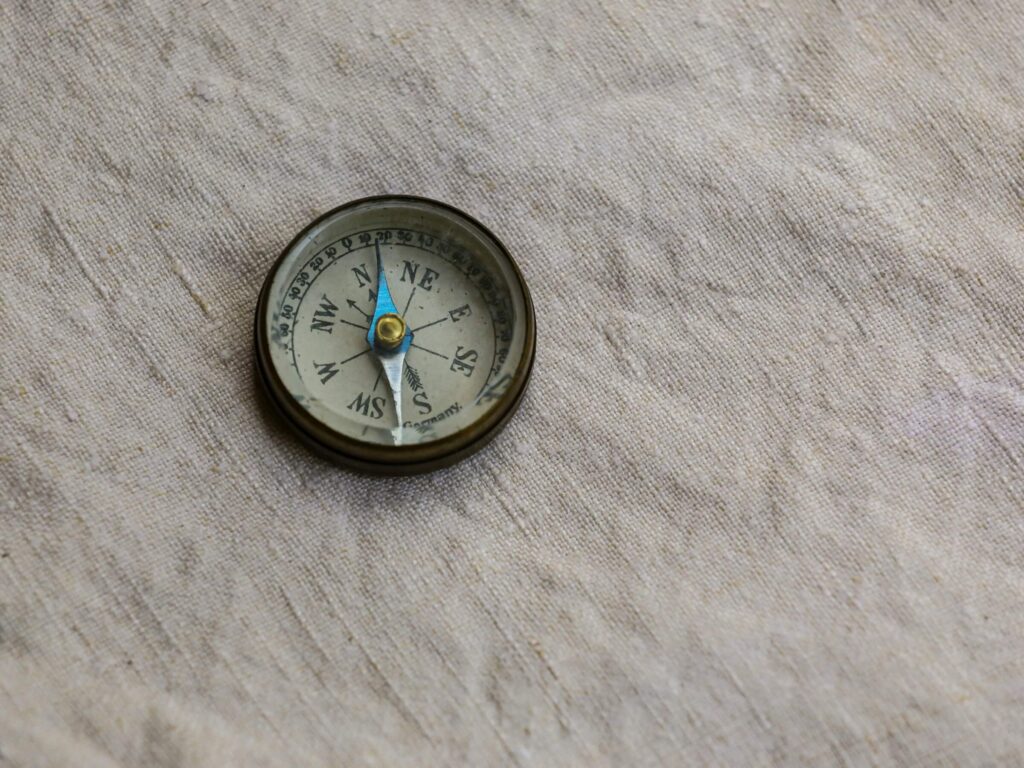
- Map and compass
- GPS device. A smartphone with downloaded offline maps or a dedicated GPS
- Head torch and spare batteries
- Backup light
- Whistle, signal mirror, emergency contact information
- First aid kit
- Multitool
Comfort Extras
- Earplugs
- Sit mat
- Journal
- Power bank
- Insect protection
- Tent repair kit
Clothing & Personal Items
- Merino base layer top and bottoms
- An insulation layer
- A waterproof jacket and trousers
- Hiking boots
- Neck and head buff
- Hat
- Gloves
- Biodegradable toiletries, towel, toilet paper
- Sunscreen, sunglasses, lip protection
Why Should You Try Solo Camping for Beginners? 5 Benefits That Surprised Me
While sharing outdoor experiences with companions has its merits, solo camping offers distinct advantages for your wellbeing and personal growth.
1) Freedom
With solo camping, you can wake up early (or not), walk further (or not), and eat what you fancy without negotiating.
2) A Deeper Connection with Nature
When you’re alone, you notice more. It’s quieter, slower, and you’re not distracted by group logistics.
Research published in the National Library of Medicine (2021) found that solo nature experiences trigger:
- Heightened positive emotions
- Stronger feelings of connection with natural environments
- Improved physical rest and more sleep
- Being able to switch off from technology
These benefits contribute significantly to the mental health advantages of wilderness experiences.
Read more: Spring Camping With Kids: The Complete Family Guide for 2026
3) Confidence That Carries into Real Life
The best part of solo camping for beginners is realising you can handle small problems on your own: putting a tent up, weather changes, cooking, and navigation. You become responsible for the following:
- Navigation and route-finding
- Shelter construction and camp setup
- Fire building and maintenance
- Problem-solving unexpected challenges
4) Less Stress Through Simplicity
No group decisions. No pressure. Just a simple plan and a calmer pace.
5) Your Skills Improve Quickly
You learn faster because you have to. This includes:
- Camp selection and tent positioning
- Weather assessment and adaptation
- Natural navigation techniques
- Resource management (water, food, fuel)
- Risk assessment and mitigation
I remember the first time I set up my tent when I went on my first solo camp. It was getting late, and I didn’t have enough time to find the best spot, clear the area, and get my tent up. That first night, I questioned a few times why I was doing this when I had a perfectly comfortable bed at home.
The next morning, I got up early, left where I was, found a new spot and managed to do everything better, resulting in a comfortable sleep. That gave me the confidence to carry on, having learnt from my mistakes.
Read more: Best Family Camping Gear for 2026: Tried, Tested & Loved
10 Solo Camping Tips for a Safe and Rewarding Experience
Successful solo camping requires thoughtful preparation and a measured approach. Follow these tried-and-tested recommendations to ensure your first experience is both safe and enjoyable.
1) Start Small and Build Up
For your first solo camping for beginners experience, avoid remote wilderness.
Recommended progression based on what I did:
- Camping in your garden
- Picking campsites with facilities
- Choosing quieter sites once you’re comfortable
2) Check Your Gear 48 Hours Before You Go
Gear issues feel bigger on a first solo camping trip.
Essential pre-trip equipment checks:
- Tent poles/pegs
- Stove ignition
- Head torch batteries
- Sleeping mat for leaks
- Sleeping bags
Consider conducting a “rehearsal night” in your garden to identify potential equipment issues while solutions remain accessible.
3) Pack Light, but Don’t Cut Corners on Warmth
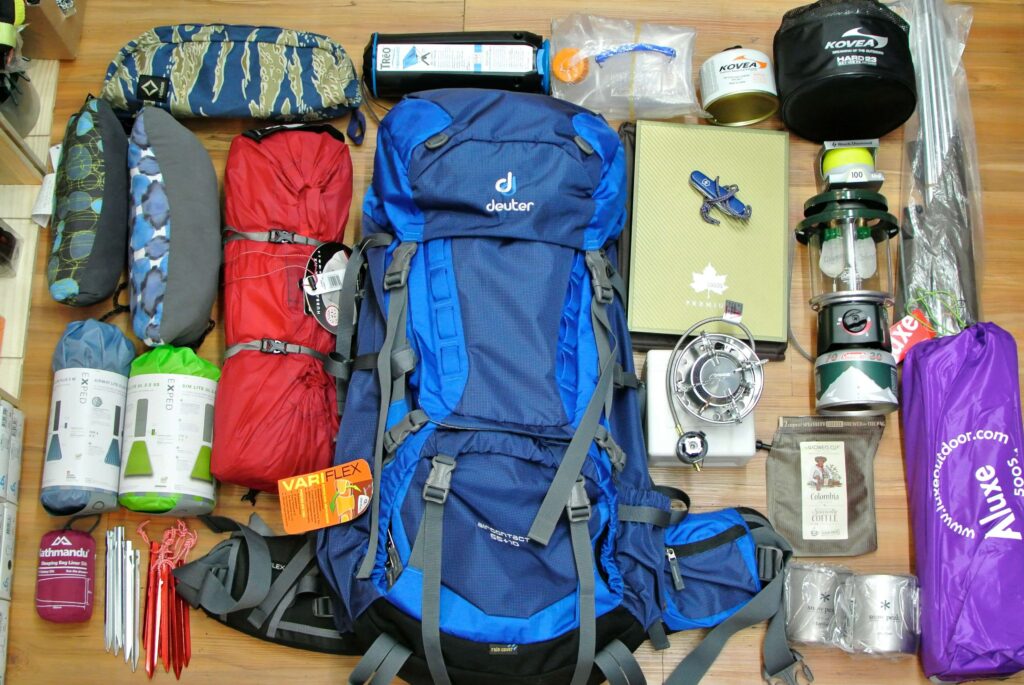
A heavy bag makes everything harder, but being cold makes decision-making worse. When I go on my solo camping trips, I prioritise my warmth, water, and sleep.
Before finalising your pack:
- Arrange all intended items and remove any non-essentials
- Weigh your fully loaded pack
- Practice wearing it for at least 30 minutes
- Remove items until a comfortable weight is achieved
- Prioritise multipurpose gear over single-use items
4) Choose the Right Shelter
For my adventures, I avoid 1-person tents as they can feel cramped fast. For solo camping for beginners, a lightweight 2-person tent often feels more comfortable (space for kit, easier organisation). Also choose one that’s easy to set up for one person and has a good weight-to-space ratio.
The below tents are both ones I own and have used a lot on my camping adventures.
- Vango – Soul 200 – 2-Person Tent: A sturdy tent that’s quick and easy to assemble
- Jack Wolfskin – Eclipse II – 2-Person Tent: A great freestanding tent that requires minimal pegs or guylines
Read more: The Best Guide to Rainy Day Camping Activities for Kids in 2026

5. Bring Entertainment
When you start solo camping, the evenings can feel long at first. To help with this, I like to bring a few things. These include:
- Physical books or e-readers with extended battery life
- Journal and writing implements
- Compact card games or solo puzzles
- Audiobooks or downloaded podcasts (if electronic charging available)
6. Create a Detailed Trip Plan and Share It
Safety for solo campers begins with communicating with someone before you leave. To improve solo camping safety and to give myself peace of mind, I always do the following. Let reliable people know:
- Where you’re going
- When you’ll arrive/leave
- When you’ll check in
- What to do if you don’t check in
- Any activities you’ll be doing and where these will take place/day
7. How to Feel Safe Camping Alone
This is my personal checklist for how to feel safe camping alone:
- Arrive with plenty of daylight
- Check forecasts before leaving
- Choose a sensible pitch (not right next to a cliff edge / river)
- Keep essentials in one place (torch, whistle, phone, first aid)
- Trust your gut, if a place doesn’t feel right, move somewhere else
- Pack an emergency bivvy regardless of planned accommodations
That routine massively improved my confidence.
While the UK has minimal wildlife threats compared to other regions, awareness of potential hazards like cliff edges, water crossings, and sudden weather changes remains important.
8. Manage Night-Time Anxiety with a Plan
On my first solo camping trip, every sound felt louder. I couldn’t sleep for hours during my first night solo camping, but as I did it more, a few things helped me settle:
- A familiar bedtime routine (tea, book, lights out)
- Earplugs
- A breathing routine (practice 4-7-8 breathing (inhale 4 counts, hold 7, exhale 8)
Remember that occasional anxiety is a normal biological response in unfamiliar environments and typically diminishes with experience.
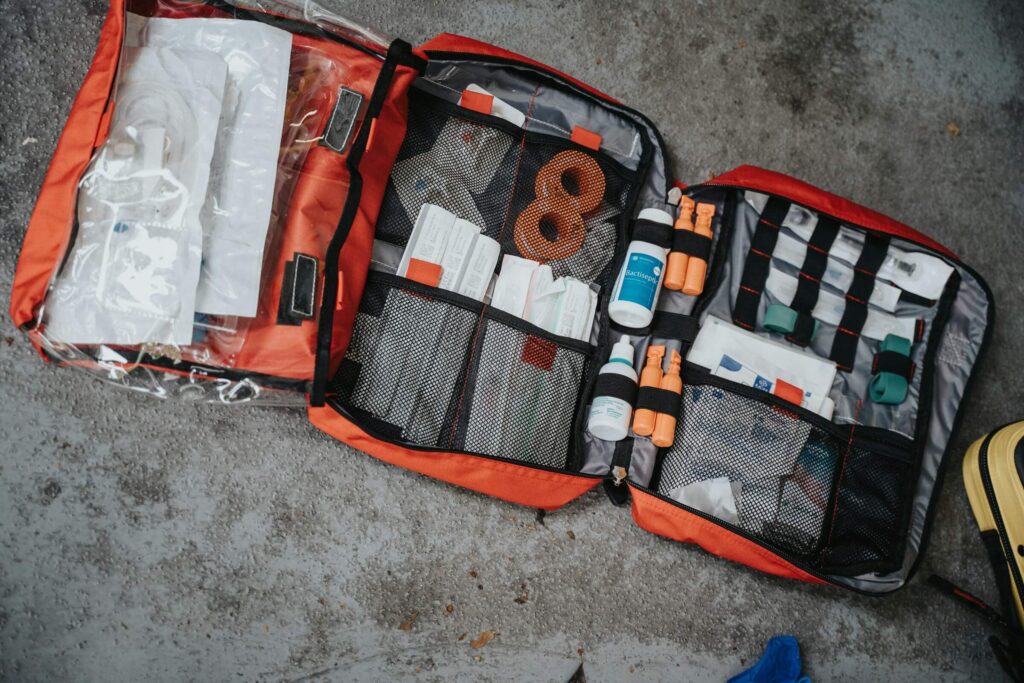
9. Carry a Comprehensive First Aid Kit
It goes without saying that you’ll need a first aid kit. This is the first aid kit I use on my travels. Don’t forget to add any medications that you might need.
10. Monitor the Weather
Weather changes everything. Check before you go and again on the day.
Develop a good understanding of weather patterns:
- Check detailed forecasts before departure
- Understand how local topography affects weather patterns
- Learn to recognise changing conditions through natural indicators
- Know when to abandon plans based on weather developments
- Prepare for conditions worse than forecast
The Met Office app provides location-specific weather predictions for the UK, including detailed mountain weather forecasts, particularly valuable for solo adventurers.
Read more: Camping with Kids Safety: 24 Things You Need to Know in 2026
Final Thoughts on Solo Camping for Beginners
If you’re nervous, that’s normal. Solo camping for beginners gets easier every time you do it because you know what to expect and know that you’ve done it before.
To make it a success, start small, keep it simple, and focus on the basics: warmth, food, water, and a clear plan. Your first solo camping trip doesn’t need to be epic, it just needs to be positive for you to do it again and again.
Solo camping offers unique rewards that simply cannot be replicated in group experiences. The self-reliance, natural connection, and personal discovery create a distinctive form of outdoor enjoyment increasingly sought by adventurers seeking authentic experiences, which is why I love doing it so much.
For more camping inspiration, check out our related guides:
- How to Start Family Camping: The Best Guide for 2026
- Best Family Camping Gear for 2026: Tried, Tested & Loved
- The Best Guide to Rainy Day Camping Activities for Kids in 2026
Happy camping!
Have you found this guide on solo camping for beginners helpful? Have you done solo camping before? What did you think of it? If you haven’t done it before, do you think you would? Share your thoughts in the comments below!


Rebecca is a journalist/content writer with over 15 years of experience focusing on topics ranging from cryptocurrency, outdoor sports, family adventures, and the environment. She has a strong background in camping, hiking, snowboarding, and trail running gained through years of personal experience. She holds a BA in Journalism and News Media and an MA in Environmental Journalism. She has been featured in Bitcoin Magazine, Forbes, The Chartered Institute for Securities and Investments (CISI), REI, The Next Web, and The New Scientist. She is passionate about exploring more of the UK with her family and their Working Cocker Spaniel and enjoys helping readers find out the ways they can explore what’s around them together to create lasting memories.